

Everybody eats… a simple fact, yet not always a topic of consideration when discussing cultural policy, placemaking, a city’s identity, or even social inclusion. Food and gastronomy are more often considered an amenity or an added bonus; something that accompanies cultural programming rather than something that is cultural programming.
What if cities saw food differently? What if gastronomy were considered not a supporting actor, but a core ingredient in urban and cultural development strategies?
Across the world, cities are increasingly discovering the many ways food can shape public life. Gastronomy is being used to activate underused spaces, bring neighbours and strangers together, build civic pride, and tell the story of a place. Through markets, festivals, signature dishes, social kitchens, and urban agriculture, food becomes a tool for connecting communities and expressing identity. All of this happens through something as simple and universal as sharing a meal.
This growing connection between cities, culture, and gastronomy is precisely why networks such as The Food Capitals and the Global Cultural Districts Network are beginning to collaborate together more closely. Cities around the world are experimenting with how food can strengthen cultural life and activate public space. Read on below! We share a few of those “recipes” from cities that are already putting gastronomy at the heart of placemaking.
Food Festivals: A Shared Table in the City’s Living Room
One of the most visible ways cities activate public space through food is with festivals. Most people have attended one, whether a neighbourhood food celebration highlighting a specific cuisine or a large street food event combining gastronomy with music, performances, and cultural programming.
These temporary events demonstrate how gastronomy can reshape a city and break down barriers, even if only for a few days.
In Montréal, for example, gastronomy plays a central role in the city’s cultural identity and tourism strategy. The annual winter festival Montréal en Lumière integrates an entire culinary program that spotlights guest chefs and international cuisines. Even in temperatures reaching minus 20°C, the event draws residents and visitors into the city’s downtown public spaces, where food becomes a way to gather, warm up, and experience cultural exchange together.
Montréal’s culinary landscape reflects generations of immigration, with the city’s diverse restaurants telling the story of its people. Festivals and neighbourhood food initiatives bring these traditions into public space, allowing residents and visitors alike to encounter the city’s diversity through taste.
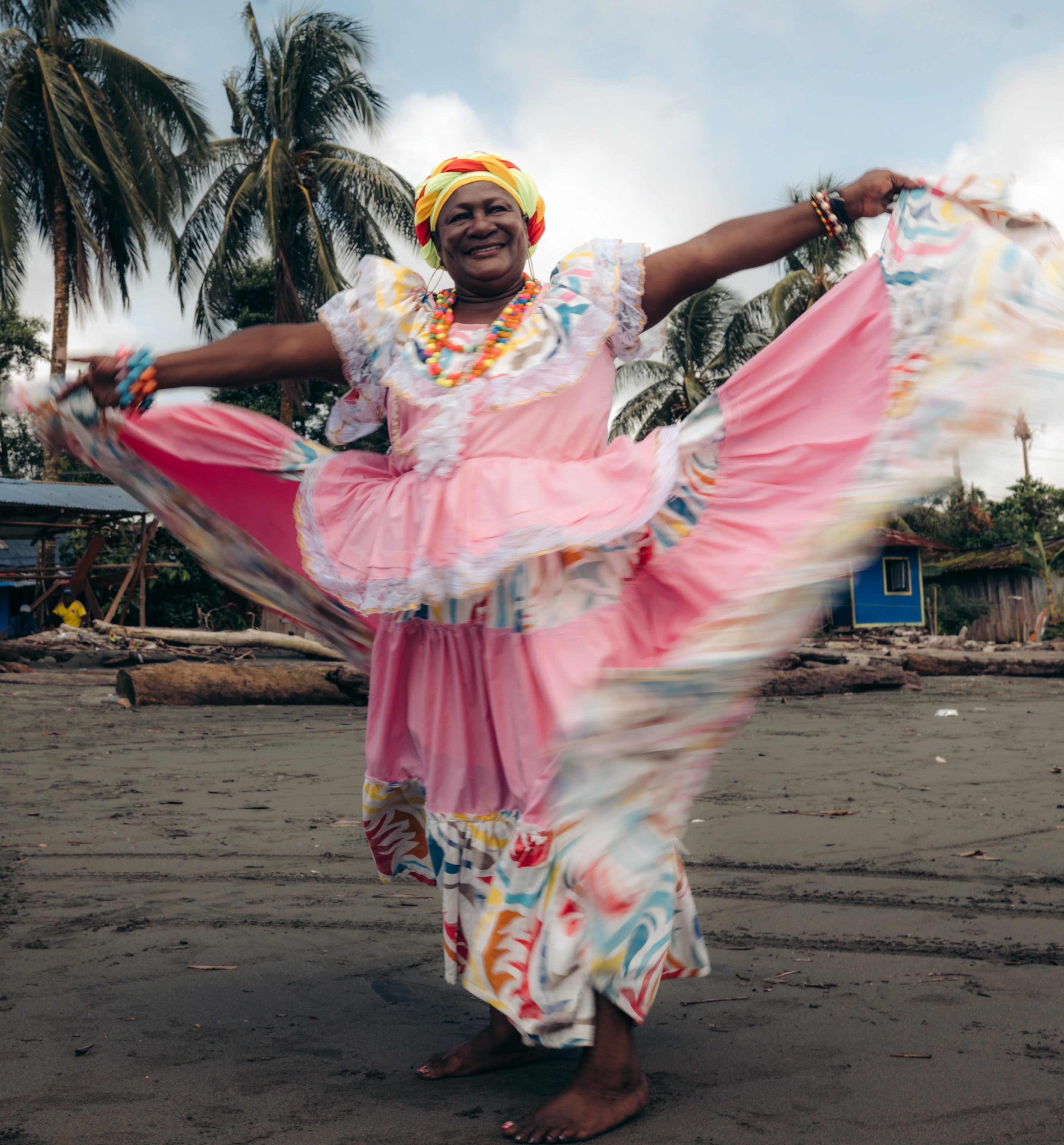
In Cali, Colombia, food festivals are inseparable from music, rhythm, and local biodiversity. Culinary traditions shaped by African, Indigenous, and Spanish influences are celebrated alongside dance and cultural performances, reinforcing the deep connection between gastronomy and the city’s cultural life. You can hear more about Montreal’s and Cali’s food culture in dedicated episodes of the network’s podcast, Cities at the Table.
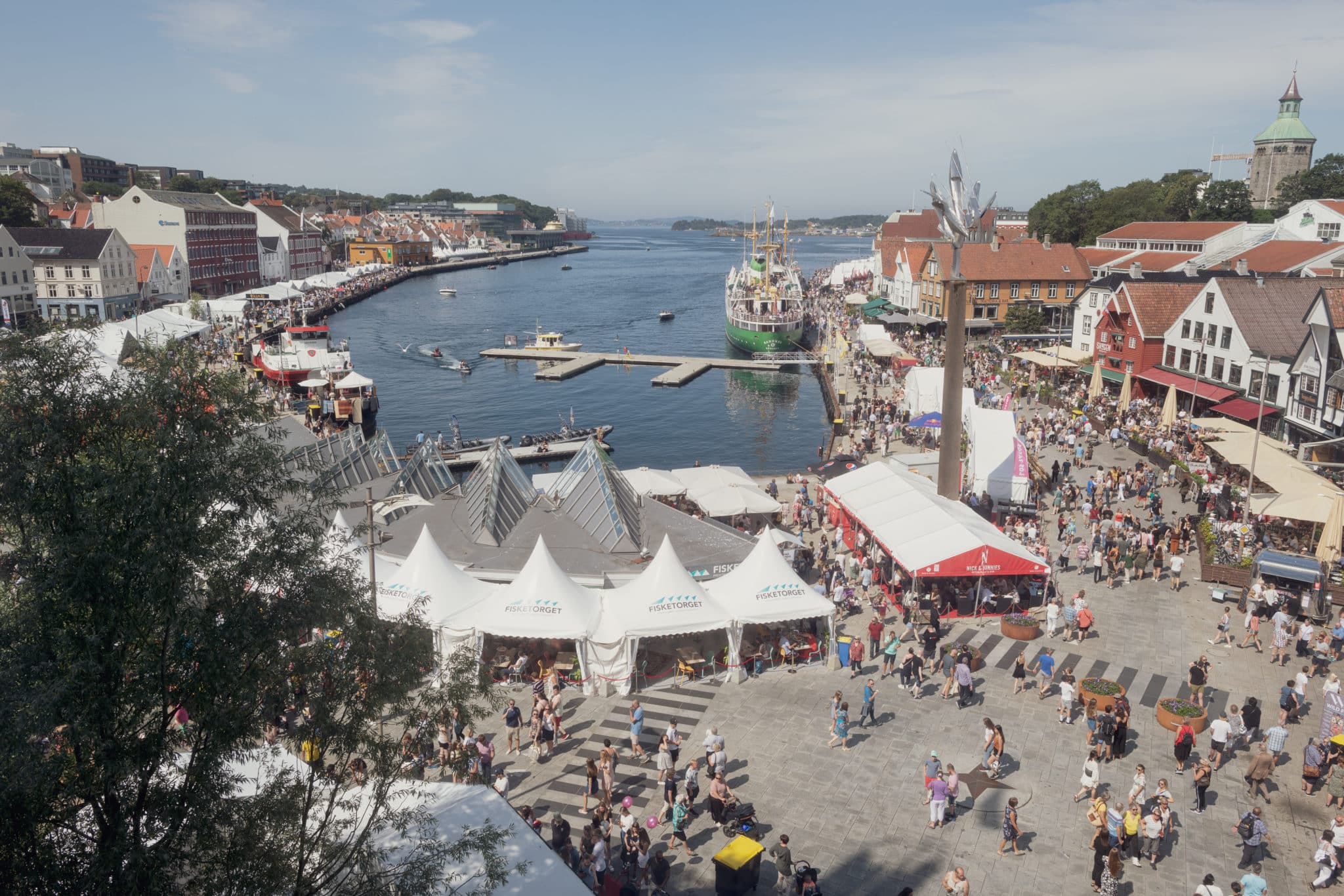
Across the network of Food Capitals cities, festivals often blend gastronomy with broader cultural expression. Stavanger’s Gladmat Festival, considered one of the largest food festivals in Scandinavia, welcomes hundreds of thousands of visitors each year. The festival not only celebrates regional cuisine but also incorporates concerts, performances, sustainability discussions, and collaborations between local and international chefs. For residents and visitors alike, the event transforms the city into a shared cultural experience centered around food.
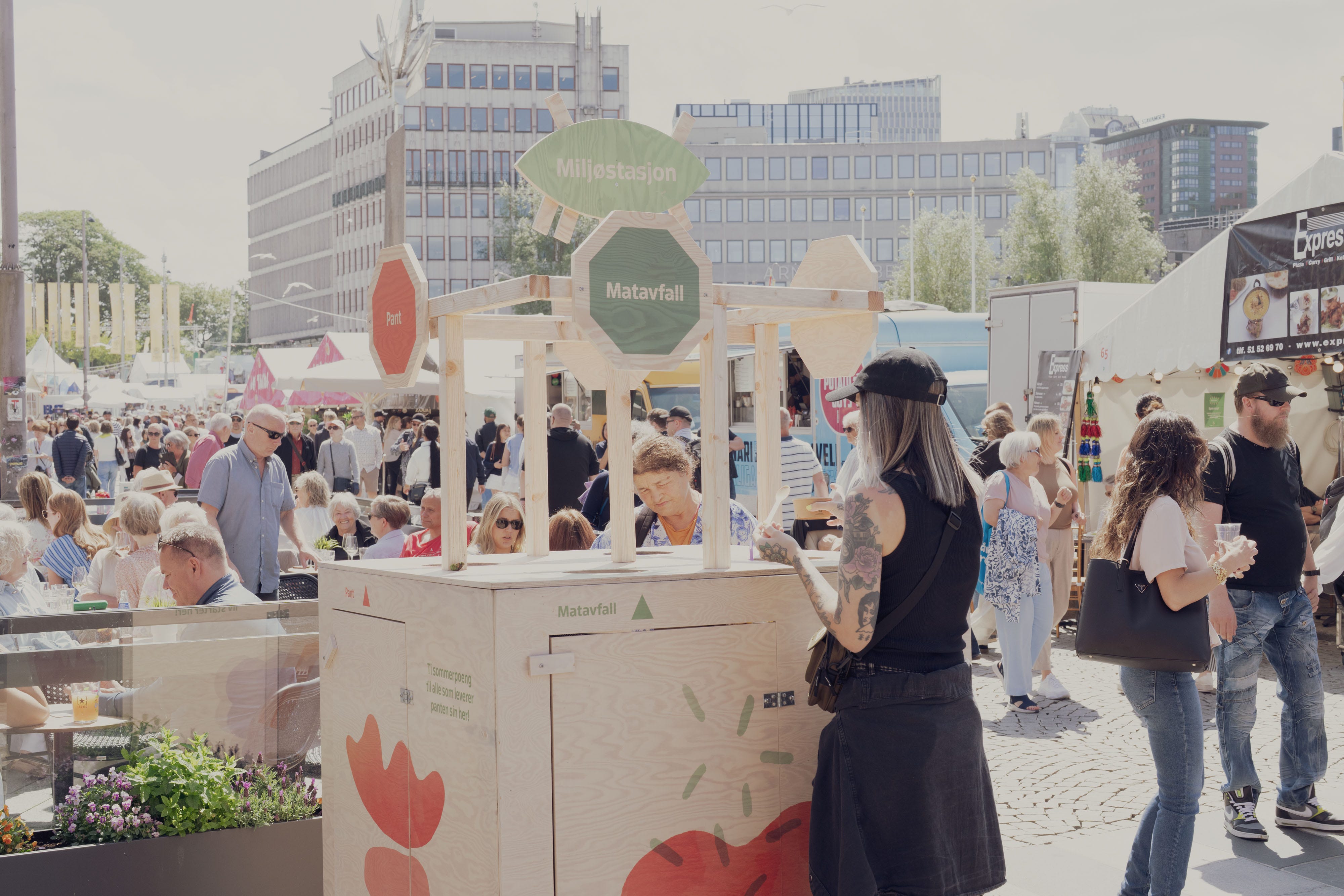
These events create collective memories and help residents see their city differently. Streets become dining rooms. Public squares become kitchens. Strangers share benches and conversations.
For a few days, the city becomes a shared table.
Markets: Everyday Cultural Infrastructure
While festivals provide moments of celebration, markets represent the everyday moments when we encounter food culture.
Markets have long served as civic centres. At Placemaking Week Europe 2025, during the session “Meet Me at the Market,” city leaders and practitioners explored how markets are not simply commercial environments but civic spaces where cultural exchange happens organically.
Markets bring together residents from different neighbourhoods, generations, and cultural backgrounds. Migrant communities introduce new flavours into the urban fabric, while seasonal produce reminds residents of the region’s agricultural roots nearby.
In Turin, historic markets such as Porta Palazzo are being revitalized through creative initiatives that strengthen their role as neighbourhood hubs. Small “community concierge” kiosks installed around the market provide information about local services and cultural activities. Turin has also experimented with unexpected collaborations, such as transforming a market stall into a culinary stage during the Kappa FuturFestival, where a DJ performed alongside a chef preparing gourmet sandwiches. The experiment demonstrated how markets can evolve into spaces of cultural programming and urban vitality.


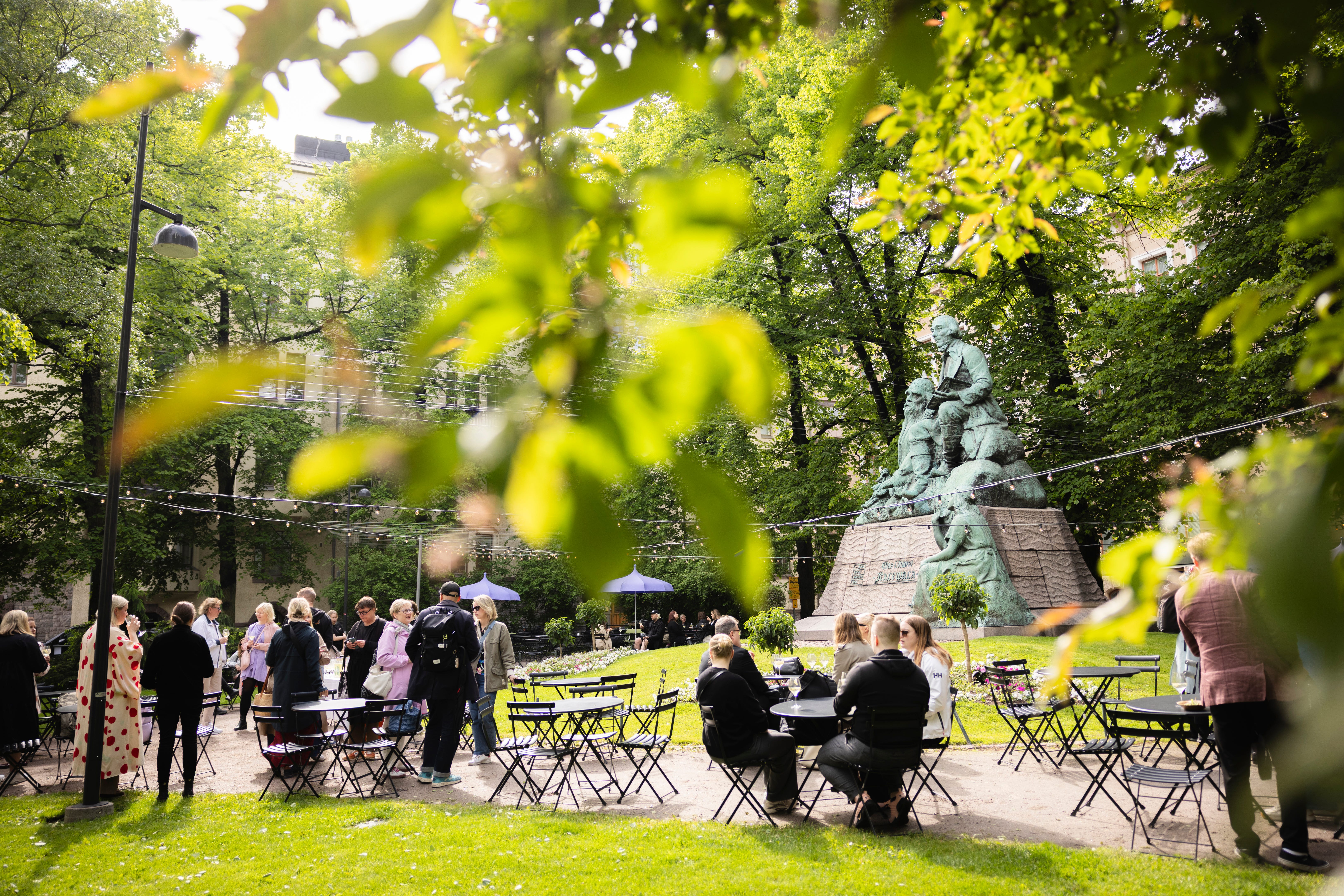
Helsinki has also explored how food can activate public space in unexpected ways. Shared meals, temporary street takeovers, and illuminated winter markets have helped residents rediscover underused parks and squares, showing how gastronomy can bring life to public spaces even during the darker winter months.
Wrocław offers another example of how markets can adapt to changing urban dynamics while remaining rooted in tradition. Faced with declining weekday activity in one historic market, the city collaborated with local businesses to reinvent it as a vibrant weekend destination focused on organic food. Cultural programming and social events quickly transformed the space into a lively gathering point for residents and visitors. Other markets in the city have embraced street food vendors and food trucks, blending the traditional farmers’ market with contemporary culinary experiences. Wrocław has also involved university students in redesigning market spaces and launched the “Love Wrocław Markets” campaign to raise awareness about local food and sustainability. These initiatives demonstrate how thoughtful design and creative programming can transform markets into multifunctional spaces where people gather, eat, and reconnect with the city’s food culture.
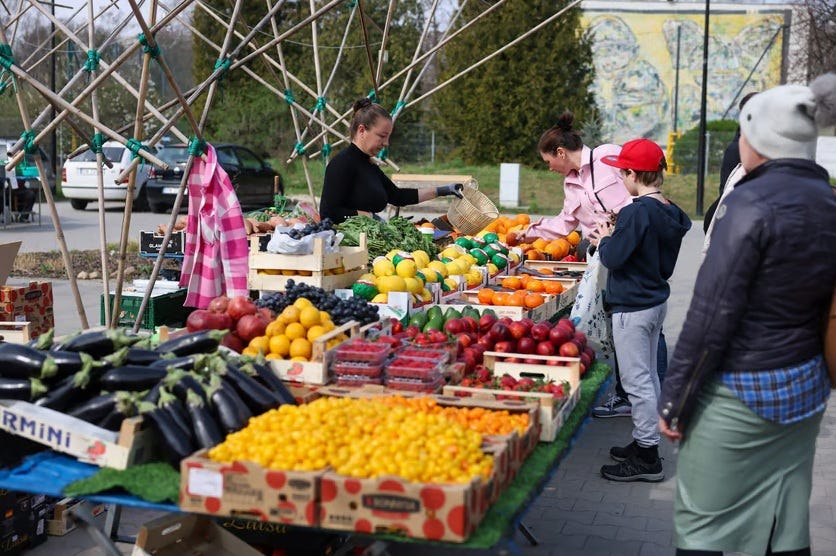
Many more cities are now reinvesting in their markets as cultural platforms, including Lausanne, Barcelona, Lisbon, and more.
Building Identity Through Food
Beyond activating public space, food can also help cities articulate and celebrate their identity.
Urban identity is often discussed through branding strategies or tourism campaigns. Gastronomy makes identity tangible.
In Gothenburg, Sweden, the introduction of the “Gothenburg Royale” illustrates how a city can use food to tell its story. Developed collaboratively by the community, with chefs, producers, and local stakeholders, the dish reflects the city’s seaside heritage while showcasing contemporary culinary creativity. The process of creating the dish was as important as the final result: it brought together actors across the local food ecosystem and generated a shared symbol residents could recognize as their own.
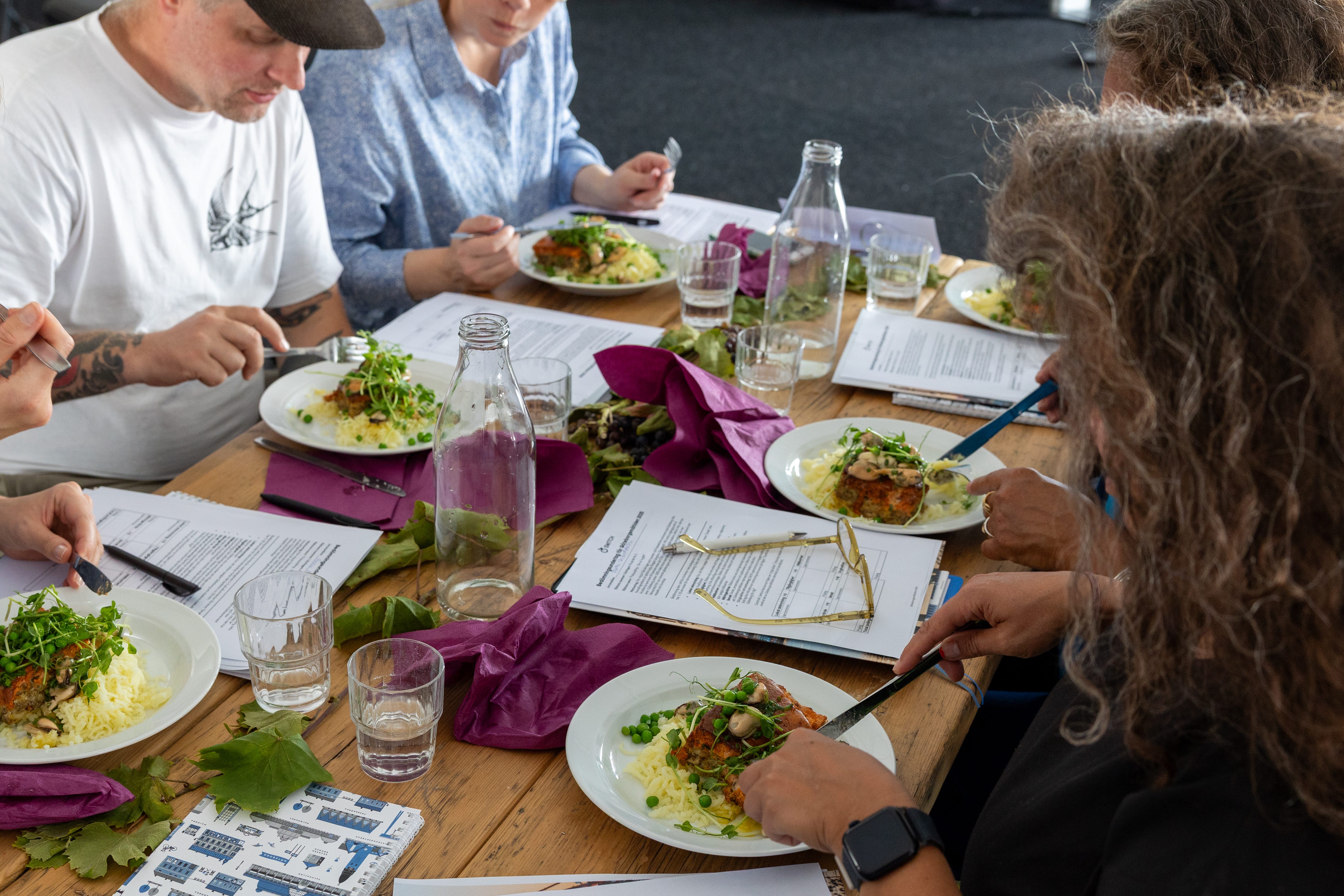
Today, the dish appears in restaurants, events, and international meetings, serving both as a point of civic pride for residents and a culinary ambassador for the city abroad.
Similarly, in Castelldefels, Spain, chefs and local partners collaborated to create the Arròs de Castelldefels, a dish that reflects more than 200 years of culinary traditions passed down through generations of grandmothers and great-grandmothers, reinterpreted today as a modern dish. The initiative strengthened collaboration between local producers, restaurateurs, and the municipality while creating a recognizable culinary identity for the city.
Signature dishes such as these transform gastronomy into storytelling. They give residents something to share with visitors, something to celebrate collectively, and something that expresses the character of their city.
Food as a Tool for Social Inclusion
Food can also serve as a powerful tool for bringing communities together.
Many of these initiatives happen not through large festivals or infrastructure projects, but through small-scale social initiatives centered around cooking and eating together.
In Lyon, the “Petites Cantines” initiative has transformed the simple act of cooking into a collective social practice. These small neighbourhood kitchens/restaurants invite residents, often strangers, to prepare and share meals together. There is no professional chef, no fixed price, and no hierarchy. Participants cook side by side and then gather at large communal tables.
The result is more than a meal. These kitchens create spaces where students, retirees, migrants, families, and professionals sit around a table as equals. Conversations begin while chopping vegetables and continue long after dessert.
Similar initiatives exist in many cities, where cooking workshops, intercultural potlucks, and food projects create opportunities for newcomers to share their culinary traditions while discovering local ones. Food becomes a language that everyone understands, opening the door to dialogue and mutual understanding.
From Amenity to Cultural Infrastructure
Despite these examples, food often remains secondary in cultural planning. Restaurants are added after museums are designed. Cafés occupy leftover corners of public squares. Gastronomy is treated as consumption rather than culture.
Recognizing food as cultural infrastructure requires a broader perspective.
Markets can serve as civic anchors. Community kitchens can become social infrastructure within neighbourhoods. Culinary incubators can support emerging chefs and food entrepreneurs. Urban farms and gardens can link environmental awareness with cultural programming. Signature dishes can anchor storytelling about place.
Food is a great cross-sectoral “Swiss Army Knife” we could say: when these perspectives come together, gastronomy becomes far more than an amenity. It becomes a powerful tool for shaping identity and activating public space.
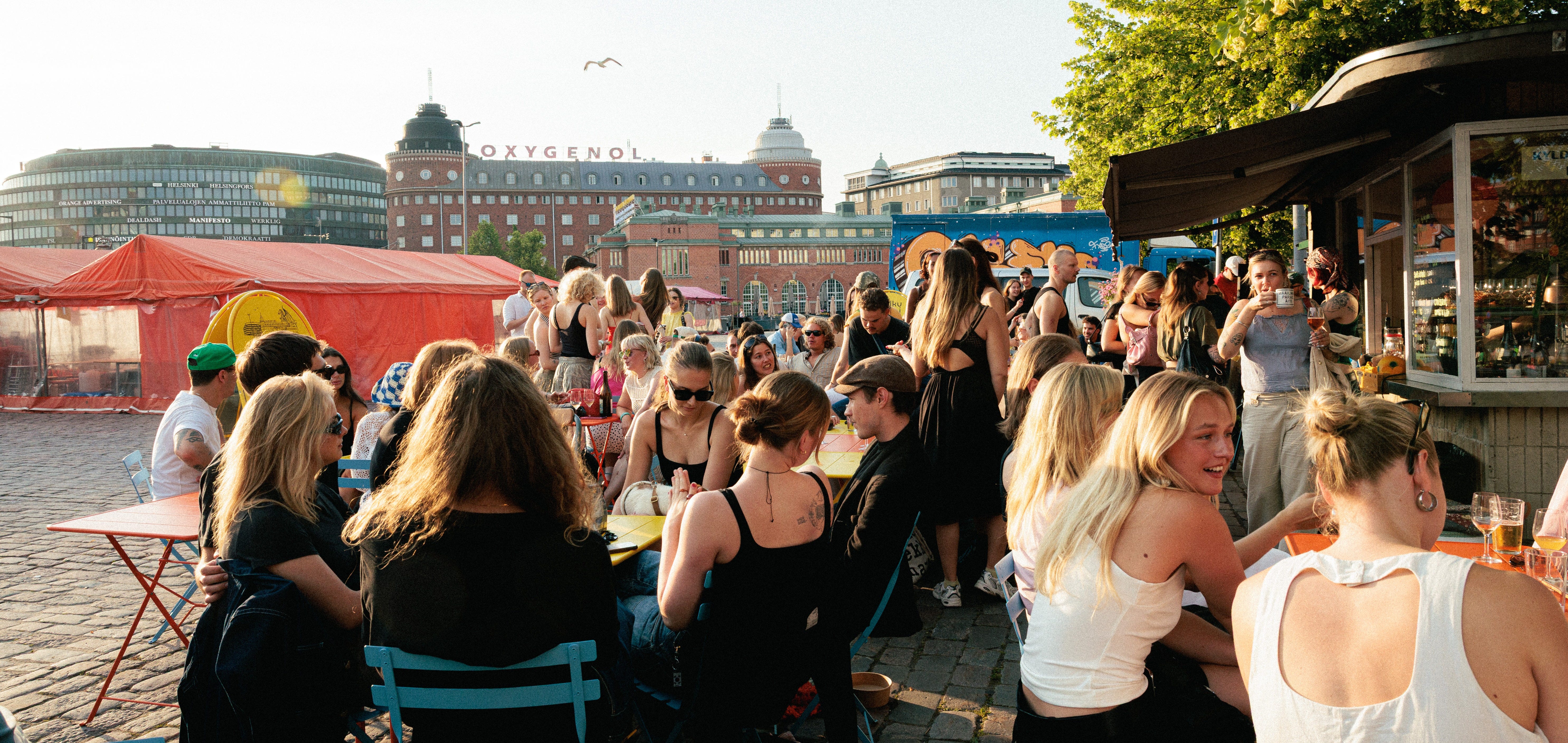
Recognizing food as cultural infrastructure also opens new perspectives for cultural districts. Cultural districts are often planned around museums, performance venues, galleries, and public spaces. But food can play an equally important role in shaping how these places are experienced. When integrated thoughtfully, gastronomy helps create districts that feel more welcoming, more active, and more connected to everyday urban life.
Food can act as an anchor for bringing people in. A restaurant, food hall, or market draws visitors at different times of day and encourages them to stay longer. Someone may come for an exhibition or a performance, but the opportunity to eat before or after extends the experience and creates more reasons to return. In this way, gastronomy contributes not only to footfall and revenue, but also to the overall vitality of a district.
It also helps create a more complete cultural experience. A visit to a cultural district might include a gallery walk, a concert, or a festival, but food can connect these moments. Collaborations with local restaurants, food trucks during special events, or coordinated programming around late openings and First Fridays can transform a visit into a broader shared experience. These combinations make districts feel less like a series of individual venues and more like cohesive destinations.
Opening hours are also part of the equation. Aligning food offers with cultural programming, whether for pre-show dining, post-performance gatherings, or weekend markets, helps extend activity beyond traditional hours. A district that remains lively after a performance ends, or throughout a weekend afternoon, naturally becomes more inviting and more embedded in city life.
Food can also strengthen identity and storytelling. Markets, cooking demonstrations, collaborations between chefs and cultural institutions, or signature dishes connected to place offer additional layers of experience. These moments invite visitors not only to see culture, but to taste it, creating more memorable and engaging visits.
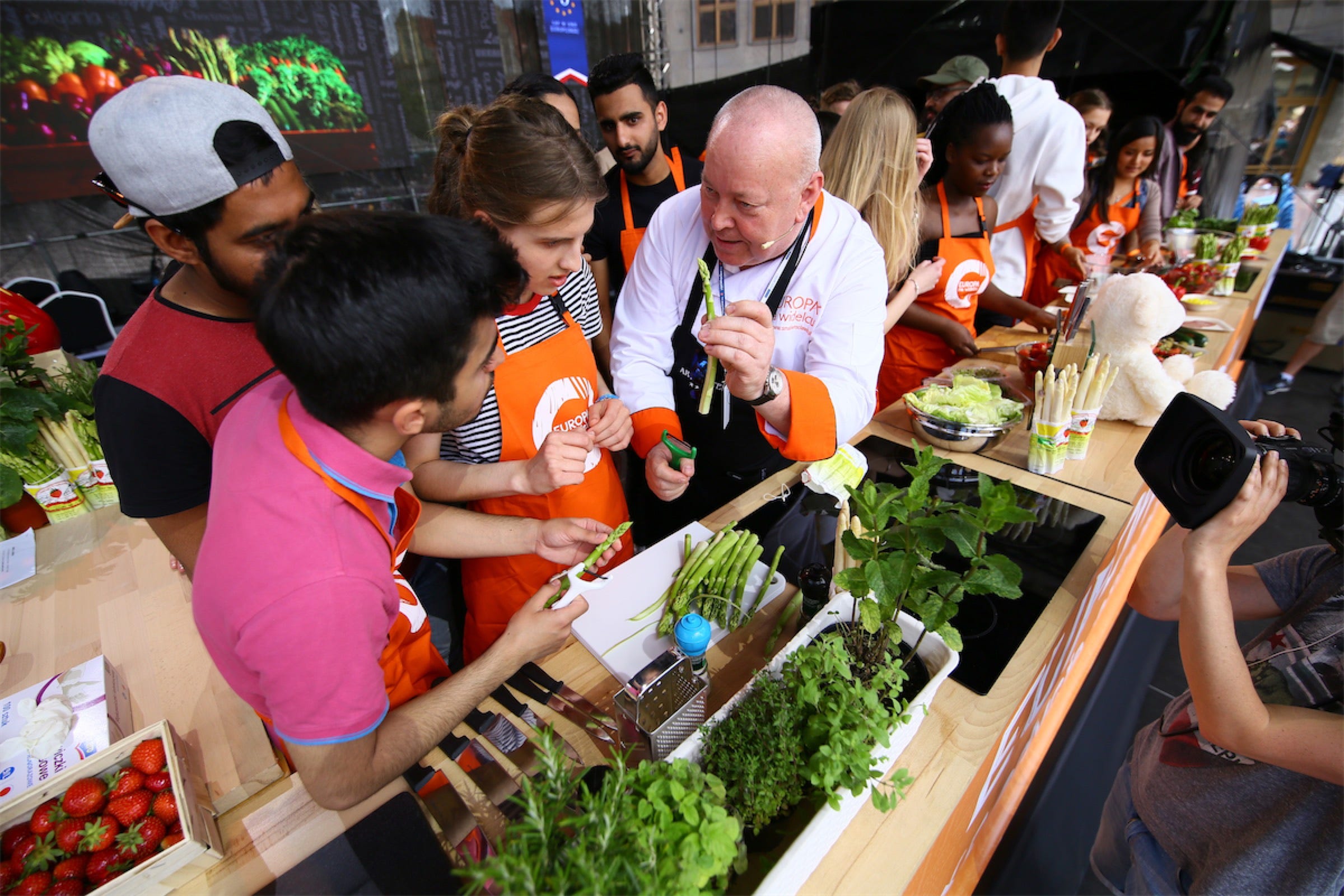
All mixed together, these elements begin to form part of a successful recipe for cultural districts: cultural programming, public space, accessibility, and increasingly, food as a connective thread. Whether through permanent infrastructure or temporary activations, gastronomy helps link experiences, support local economies, and create spaces where people want to linger.
When cultural districts think holistically about their urban centres, food becomes more than an amenity. It becomes a tool for shaping rhythm, encouraging interaction, and connecting culture with everyday life.
In that sense, food is not simply part of the offer: it is part of the experience itself.
A way to activate public space, extend engagement, and bring people together.
It is, ultimately, a true taste of place.
ABOUT THE AUTHOR
Jessica Ferey is Executive Director of The Food Capitals, the international network of cities championing food and gastronomy as drivers for sustainable urban development, cultural identity, and tourism. Based in Lyon, France, Jessica has over a decade of experience in leading international networks, fostering collaborations between cities, and designing global events that connect culture, policy, and place.
Before joining the Food Capitals, Jessica served as Deputy Director of LUCI (Lighting Urban Community International), focusing on the role of light in public space and urban culture. You might also recognize her from the GCDN family, where she served as Deputy Director of the Global Cultural Districts Network at the very beginnings of the initiative in 2014. Prior to that, Jessica worked in the director’s office of the Virginia Museum of Fine Arts. She holds a master’s in Arts Management from American University and a Bachelors’ of Art History from Virginia Commonwealth University.
ABOUT THE FOOD CAPITALS
The Food Capitals by Délice Network is the international network of cities committed to using food and gastronomy as powerful tools for economic and sustainable urban development, cultural identity, urban well-being, and city attractiveness. A French non-profit organisation founded by Lyon in 2007, the organisation connects cities that are innovating in food culture, food policy, and food systems. Through annual gatherings, study tours, collaborative projects, and ongoing exchanges, The Food Capitals has built and continues to develop a community that learns together, shares best practices, and shapes the future of food and gastronomy.

In March 2026, the Global Cultural Districts Network (GCDN) and The Food Capitals signed a partnership agreement to explore the connections between cultural districts, cities, and urban gastronomy. Through knowledge-sharing and joint initiatives, the two networks aim to raise awareness of these intersections and spark new ideas and collaborations among their members.
ABOUT GCDN BRIEFS
GCDN Briefs is a series of articles highlighting insights from members of the Global Cultural Districts Network (GCDN) and associated experts on themes and issues that are relevant to the day-to-day lives of cultural districts. Intended to present the state of play and propose actionable recommendations, these articles complement the annual GCDN research projects and enhance the dissemination of ideas and best practices within the network and beyond.
