

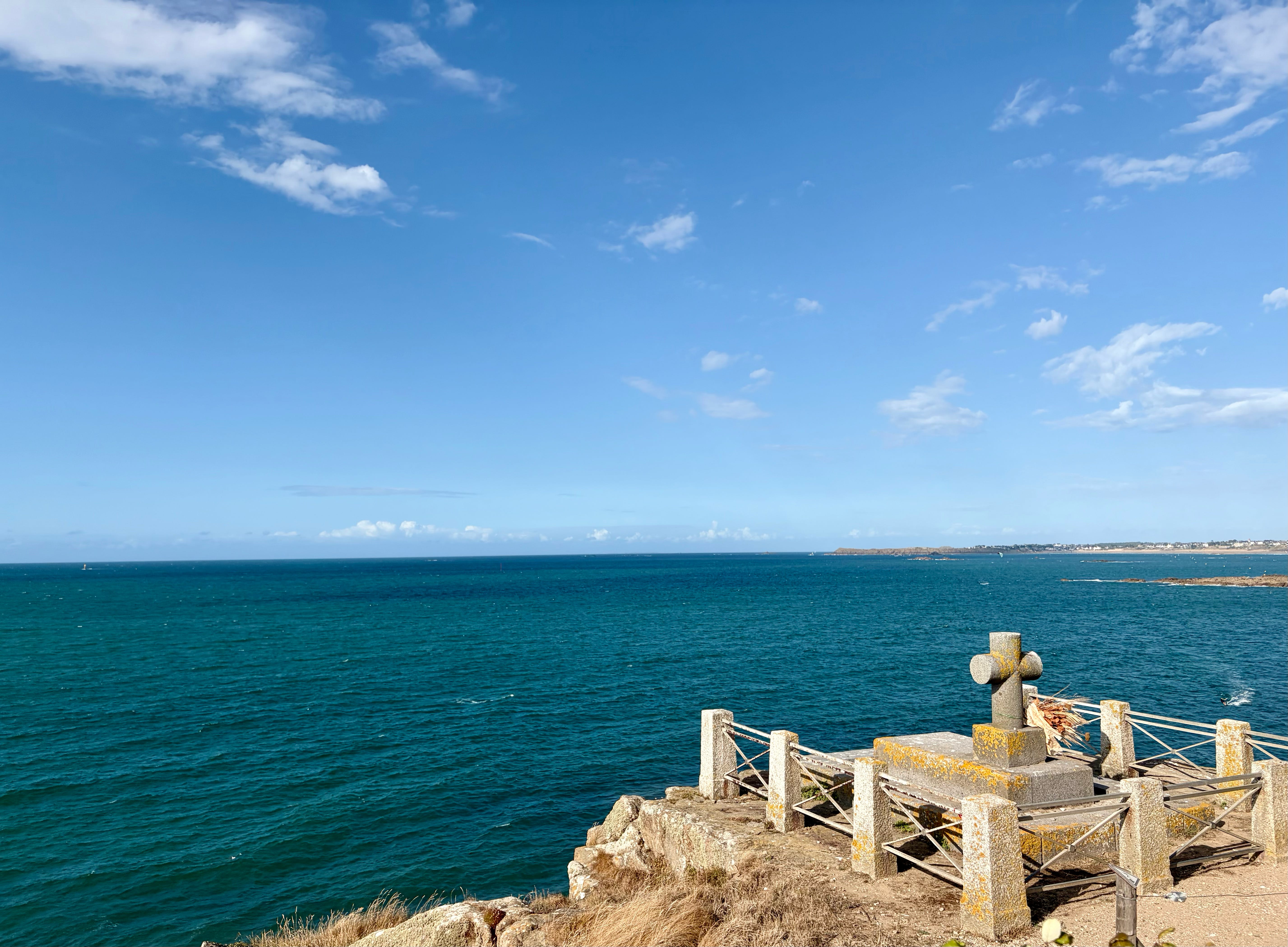
Last month, my partner and I took a short road trip to Brittany and Normandy. She has family there, I had never been, and we had just lived through four heatwaves in as many weeks. After spending the summer baking in our non-AC-equipped flat in La Rochelle, living like vampires during the day to conserve any shred of cool we could gather through tropical nights, we felt like we needed – nay deserved – some fresh air.
So we set out for Saint-Malo. It was wonderfully breezy and, surprisingly, not too packed. That was unexpected considering the Breton port city, like many destinations across northwestern France, had just lived through a record summer.
“We’re after the 15th of August”, was my partner’s explanation. Some kind of French practical knowledge I still don’t quite have. I just enjoyed roaming the medieval streets whilst eating kouign-amann (highly recommend!) without feeling like I was part of a festival crowd.
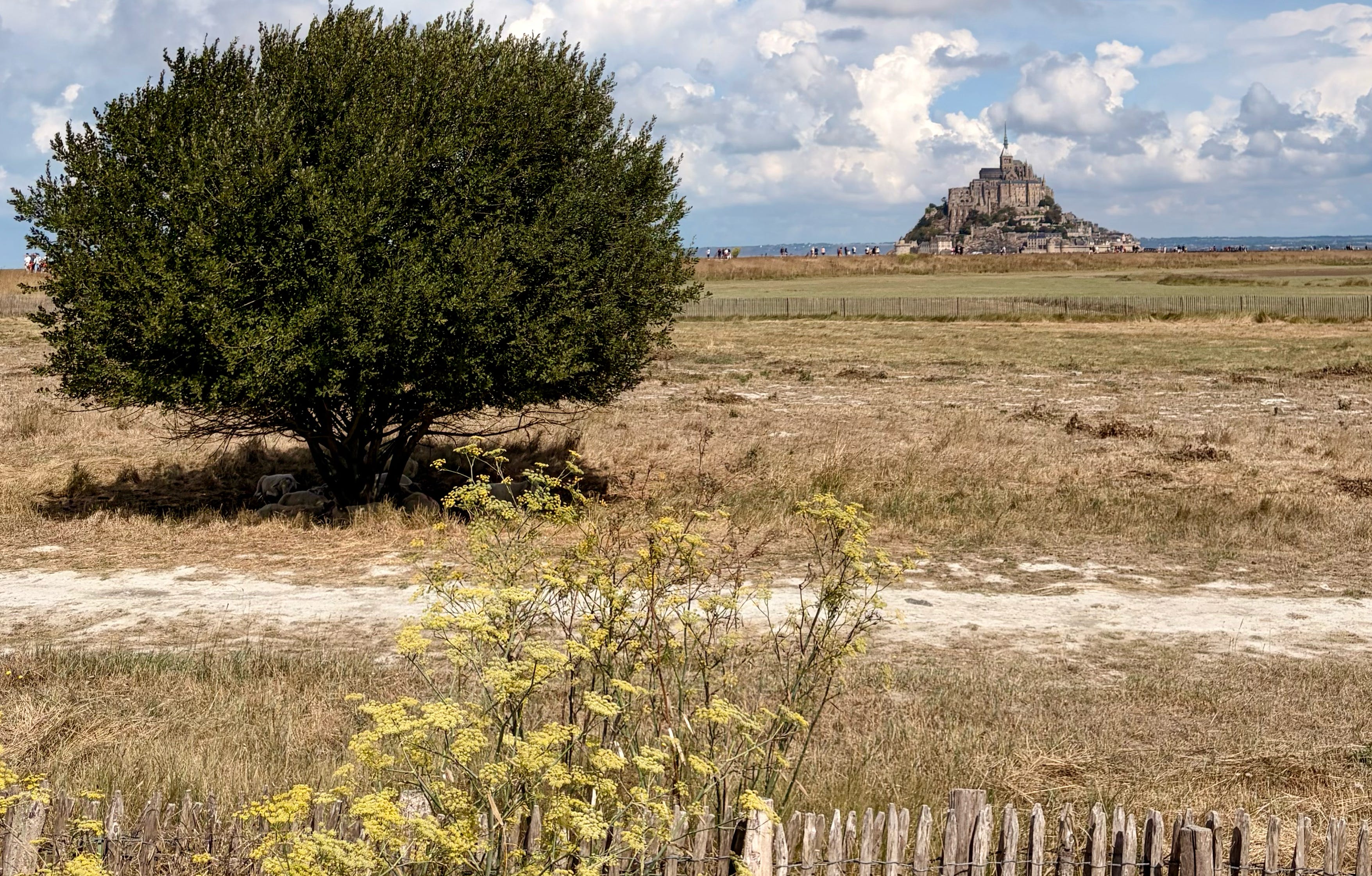
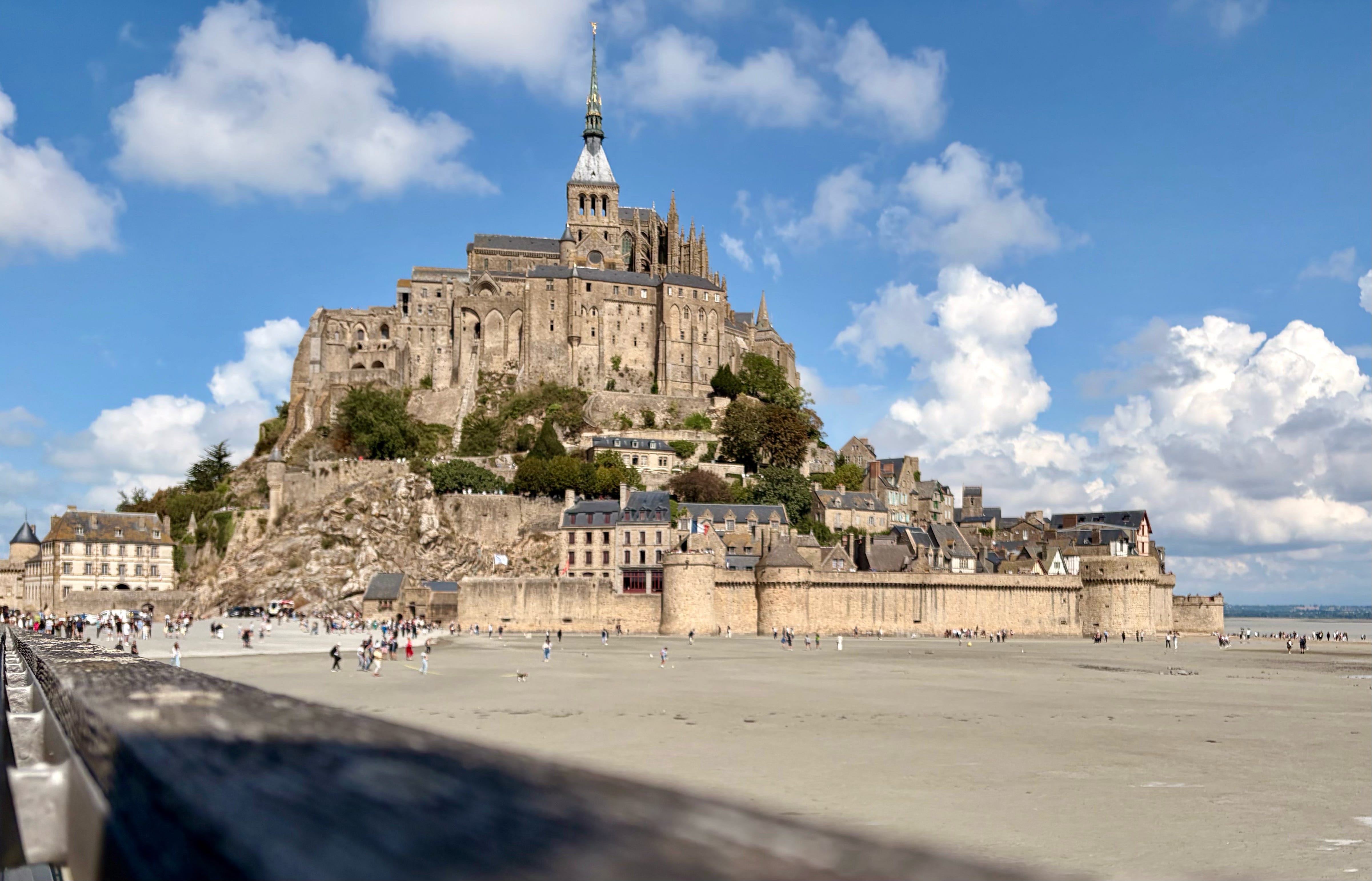
On the way back, we planned to spend a full day at Mont Saint Michel. Anyone who has been knows that you have to park a few kilometres away and walk or take a shuttle. The car park holds about 4,000 vehicles, and when we arrived it still showed a bit over 800 free spaces. We naively read that as a good sign.
We were dramatically wrong. After 15th of August or not, the medieval town was packed to the gills. We fled after about thirty minutes, having barely made it to the top.
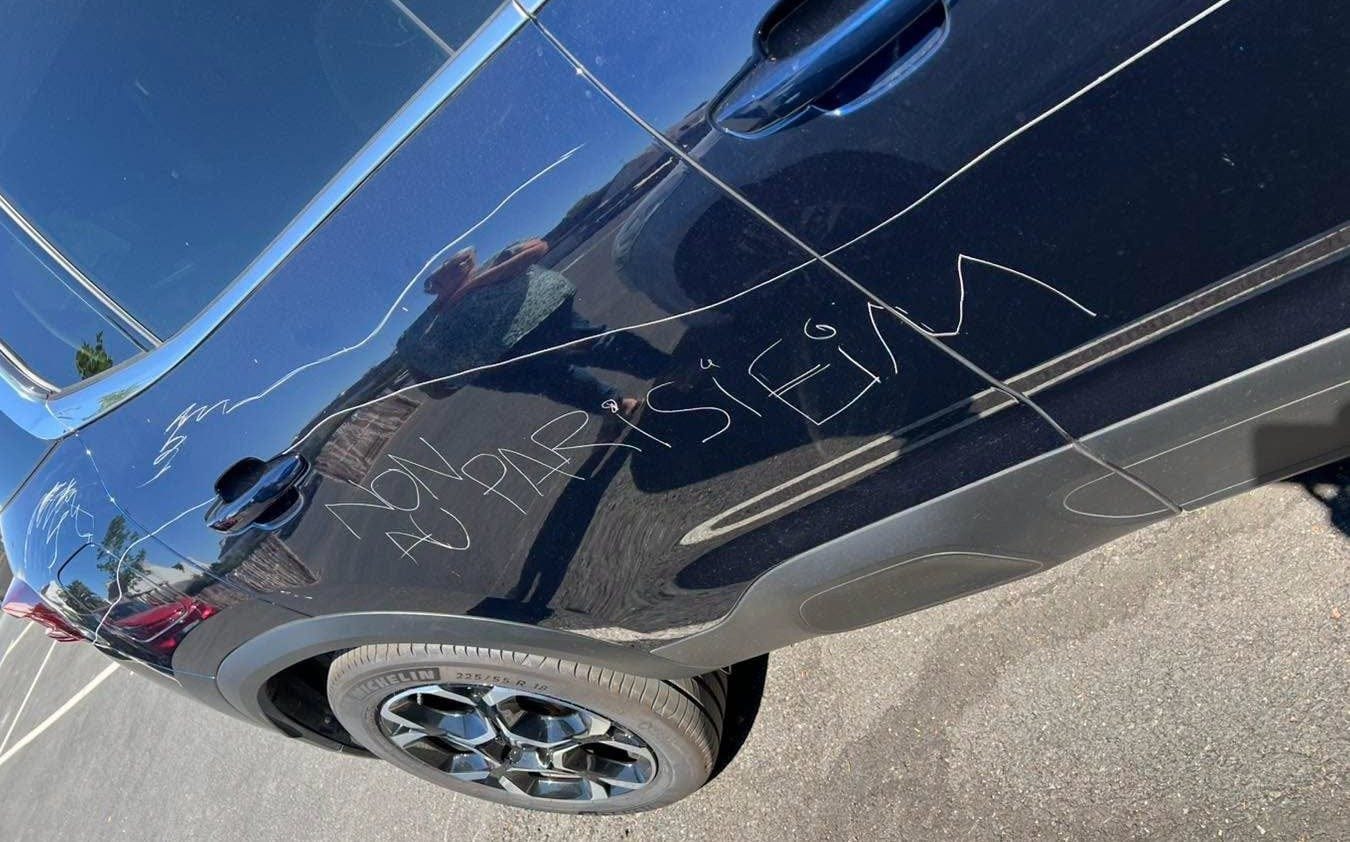
Then the following week, Adrian sent me an article reporting on a backlash from residents in Finistère, at the western tip of Brittany, against holidaying Parisians. The story was also picked up by French media and has since made national news. There had been verbal abuse, vandalism directed at cars, and even physical altercations. Local officials condemned the behaviour, of course, but also tried to explain some of the anger behind it. These are towns that can triple in size every summer, and whose growing popularity with visitors from Paris has put additional pressure on already strained infrastructure and housing markets.


Overtourism is hardly a new topic in Europe. We have all written and read plenty about Venice, Barcelona, Amsterdam and Dubrovnik, and about attempts to address it through entry fees, cruise-ship limits, restrictions on visitor numbers and efforts to spread tourists more evenly across places and seasons.
France is the world’s most visited country and has its share of the same problems. But foreigners are not the main issue on its northwest coast. Around 80% of overnight stays in Brittany are made by French visitors, and 30% of those come from the Paris region. The pressure is largely domestic, and the root causes extend beyond tourism.
I count at least four.
1. Climate Change
Like many others on the continent, French people, and Parisians in particular, are adapting their choice of holiday destination to fit the new European summer. For decades, the summer ritual meant a mass seasonal migration towards the southern and western coasts of the country. But climate change is altering that pattern.
2026 was an extreme case, with more than fifty days of heatwave conditions and the first ever canicule warning issued in May – early enough that some people had time to course correct. Where people used to go south chasing the sun, they are now going north to escape it. This summer, Normandy recorded a sharp jump in visitors from Occitanie and Nouvelle-Aquitaine, whilst the south saw its own numbers fall. There is even a neologism to describe this phenomenon: coolcation.
And as with everything else about climate change, this is happening faster than anyone planned for. Most heatwaves recorded in France since they started keeping track in 1947 have happened in the last fifteen years. Places that historically had quieter summers are suddenly receiving far more visitors, and they haven’t had much time to adapt.
2. Transportation
French people are heavily dependent on cars, particularly outside the dense urban centres. The country has a robust but extremely radial rail network. It works very well as long as you’re travelling to or from Paris, on a high-speed line, and heading to another large city or an established tourism hub. Smaller destinations and interregional connections on conventional rail are another matter.
Brittany has a high-speed link between Paris and Rennes, but many places within the region remain difficult to reach by train. Normandy has never even had a high-speed line at all. Beyond questions of speed, the conventional network is older, more vulnerable to extreme weather – particularly high temperatures – and so more prone to disruption and cancellation. And as the SNCF practises dynamic pricing, summer fares can climb sharply.
All these factors compound, and most French holidaymakers therefore travel by car, whether for price, flexibility, predictability or lack of a better alternative.
But cars need roads and parking space. Very few places in northwestern France have the capacity of the Mont Saint-Michel, and whilst a lot of cities have pedestrianised their old towns, that is not often the case for the smaller villages around them. So places that didn’t have much infrastructure to begin with are now getting a lot more visitors arriving by car, squeezing through narrow streets, filling up already limited parking space, wearing down the roads and worsening the air.
Cars are also very visible identification tags. French number plates carry a département identifier chosen by the owner, making regional affiliation pretty easy to spot. So it’s no surprise that the vandalism in Finistère was aimed at cars with Parisian plates.
3. Gentrification
Parisians earn more than people elsewhere in France, and their purchasing power stretches further when they travel to other regions. Over time, businesses in popular destinations begin pricing for that higher-spending market, producing what locals describe as les prix parisiens. This extends to housing too.
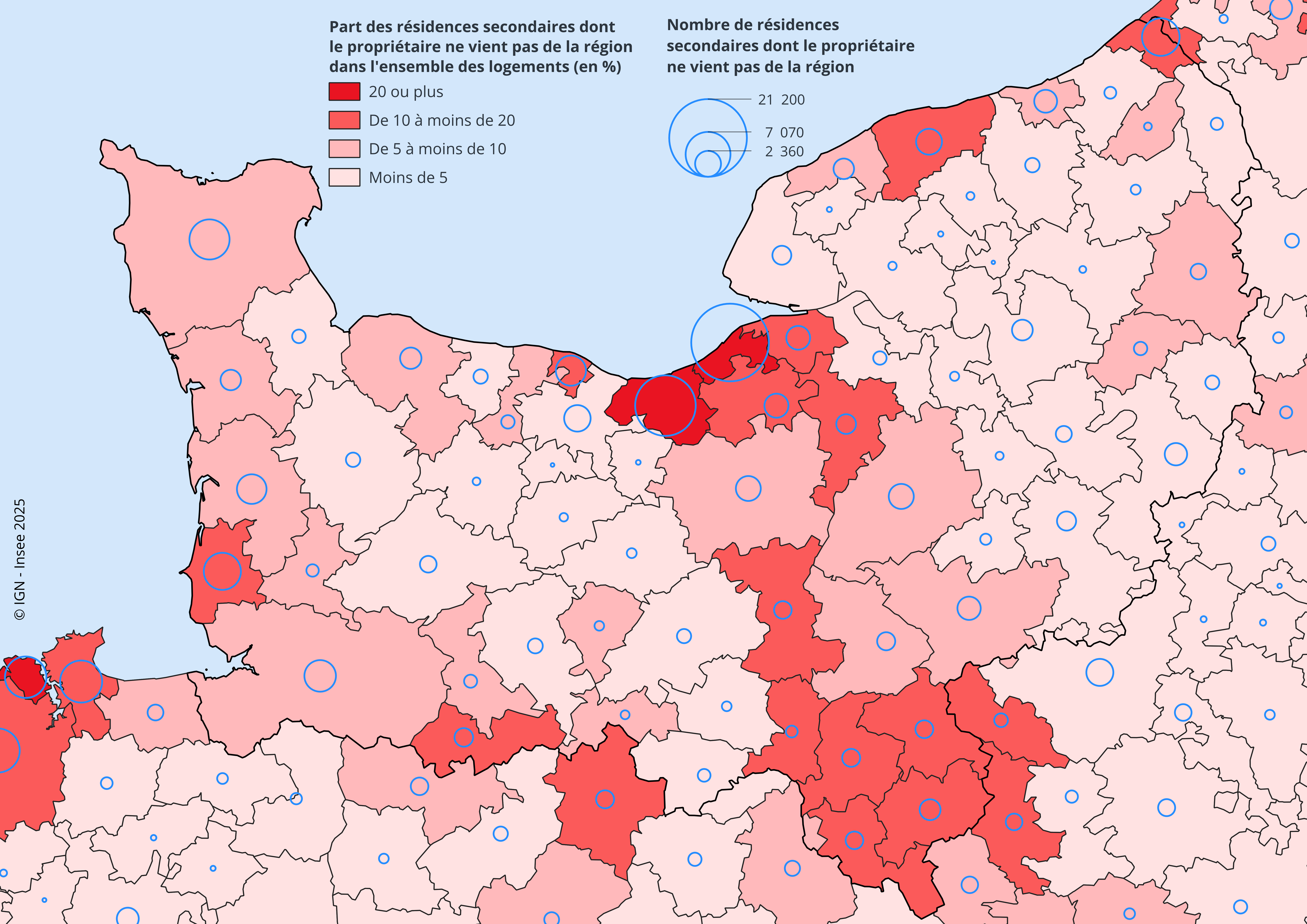
Normandy, for instance, has more second homes owned by people living outside the region than any other part of France. And whilst this is not a new phenomenon, it has accelerated in the last few years. Since COVID, remote work has made it possible for some Parisian professionals to leave the capital without leaving their jobs. Some have started buying property in other regions, and can afford to bid higher than local buyers. Eventually, locals are priced out of their own places and forced towards neighbouring towns that haven’t become popular yet. Textbook gentrification.
La Rochelle, where I live, is a good late-stage example. Prices here have risen dramatically in the last five years, and second homes aren’t really the crux of the issue. What is driving prices up is mainly people who have moved here for good, bringing with them much more purchasing power than the locals.
I should know, I’m part of the problem. I’m not Parisian, but I’m a foreigner who moved here a few years ago as a digital nomad. I love my life here, and I’m very conscious that I can only afford it because I don’t make a local salary. And it’s getting expensive even for me, which is how I know we’re not done.
This is all front and centre in France, including in Brittany and Normandy. The rising cost of living, the shortage of affordable housing, and regional wealth inequalities are all well documented, widely discussed in the media, and increasingly central to political debate. Even if they may not know to call it that, people are acutely aware of what gentrification looks like and what it can do to a place.
So the surge of Parisian holidaymakers comes at a time when tension is already running high. It’s easy for locals to see them as yet another symbol of an unequal system and, given the trajectory of places like La Rochelle, perhaps a glimpse of something worse to come.
And this part of the resentment is far from new… which brings me to my fourth point.
4. Centralism
France has one of the oldest traditions of centralised government in Europe. To this day, the country is still broadly divided between Paris and la province – aka, not Paris.
Despite decades of decentralisation and some real progress, major imbalances remain between the capital and even large cities like Lyon, Bordeaux or Nantes, let alone smaller towns and rural areas. The radial rail network and uneven salaries are good illustrations, but the imbalance extends much further, from the concentration of corporate headquarters, universities, national media and political institutions to culture itself. This, unsurprisingly, has never sat well with people outside Paris.
France is also a vast and old country with an extraordinary diversity of culture, architecture, landscape, gastronomy, dialects and history. Even within the mainland, the differences between regions can be striking. Going from Strasbourg to Marseille can feel like changing countries. And some regions, because of their history, have particularly strong and well-defined cultural identities. That is certainly the case of Brittany and, to a lesser extent, of Normandy too.
So the continued sense that Paris sits at the centre of the French universe feeds into resentment that is much older than this summer’s tourism boom. For locals in places with a strong identity of their own, seeing more and more Parisians filling the beaches, restaurant terraces and public spaces only adds to the anger. Especially when they’re already associated with higher prices and housing shortages. These are places people are deeply attached to, sometimes fiercely so, and the feeling that they are slowly being taken over by the part of the country that already has more money, more power and more attention can get visceral. Hence the keyed cars and the abuse shouted at cyclists.
So what does any of this have to do with us?
It comes down to a question we ask quite often in cultural planning: who is a place for? In an ideal world, the answer is everyone, equally. But reality is more complicated, of course. Places only have so much housing, infrastructure and public space, and they come with histories and identities that people are attached to.
I sometimes think of cultural districts as bonsai versions of wider urban ecosystems. You want people to come, and you need activity and investment, but success can also push up land values, displace the people and activities that gave the place its character, and eventually hollow it out. And because cultural districts shape public space and how a place presents itself, they have some role in helping communities manage that change, and in helping newcomers understand and respect the place they are entering.
This has been part of my own education since moving to La Rochelle, and it is about to take over my professional life too, as we are starting to develop the programme for GCDN’s next convening, taking place in Nantes in May 2027.
Nantes is a particularly interesting place to explore all of this. A major city that is still considered provincial in a country dominated by Paris, historically part of Brittany but administratively separated from it, and culturally ambitious whilst still building its ecosystem and international profile. And on the Île de Nantes, SAMOA, our host for 2027, is more than two decades into an enormous experiment in contemporary city-making, turning an area shaped by industry and shipbuilding into a new piece of the city with culture and the creative industries as strong pillars. The work is ongoing, which means we get to look at these pressures whilst they are still being worked out. How much change a place can absorb, who gets to shape it, and how you make growth work for the people who are already there.
It’s still early days, so I don’t know what the Nantes programme will look like yet. We’ve been using Les Nouveaux Imaginaires as a working title because the broad idea is to think about how cities are constantly being remade, and what culture can contribute to that. We’ve been talking about adaptation for years, especially since Covid. What happened in Finistère this summer is just a particularly vivid and very French example of several wider trends hitting the same place at once. Obviously the answer isn’t to send the tourists home – even if they are Parisians. But the locals can’t be expected to simply absorb endless change either. Finding the right balance is hard, but it’s also essential, because the pressures behind all this aren’t going anywhere, and most of them are likely to get worse before they get better.
We’ll eventually drive back up to Brittany. Driving is still the easiest option from La Rochelle, the region is gorgeous, it’s still cool in the summer… and I do love kouign-amann. But I’ll make sure we never rent a car with Parisian plates.
ABOUT THE AUTHOR
Gregorio Lucena Scarpella leads the Global Cultural Districts Network (GCDN), a membership organisation of more than 70 cultural districts worldwide, with a mission to improve the quality of urban life through the arts, culture and creative industries.
He is responsible for the network’s strategy and development, the stewardship of its members, and its year-round programme of activities and research, as well as its flagship annual convening, of which he has curated and overseen multiple editions in cities around the world.
Greg is interested in cultural districts as instruments of governance, diplomacy, and connection, and in what it takes to lead them well in a complex and contested world. His work centres on convening, facilitation, and the relationships that let a peer network function across very different international contexts.
Greg holds an M.A. in Arts & Cultural Management from King’s College London and a B.A. in Communications and English Linguistics & Literature from the Université de Neuchâtel. Born in Brazil into a multicultural family and raised in Switzerland, he is fluent in English, French, Portuguese, and Italian.
ABOUT GCDN
The Global Cultural Districts Network (GCDN) is an international federation committed to improving the quality of urban life through the contribution of the arts, culture and creative industries. GCDN brings together policymakers, planners, and executives from widely diverse international contexts, all working at the intersection of culture and sustainable urban development through convenings, research and collaboration.
By fostering knowledge-sharing among those responsible for planning and managing creative and cultural districts, quarters, precincts, and clusters, GCDN stimulates the promotion of urban development with culture at its core across four fundamental areas: operational realities, the environment, society, and the economy. The GCDN is an initiative of AEA Consulting.