

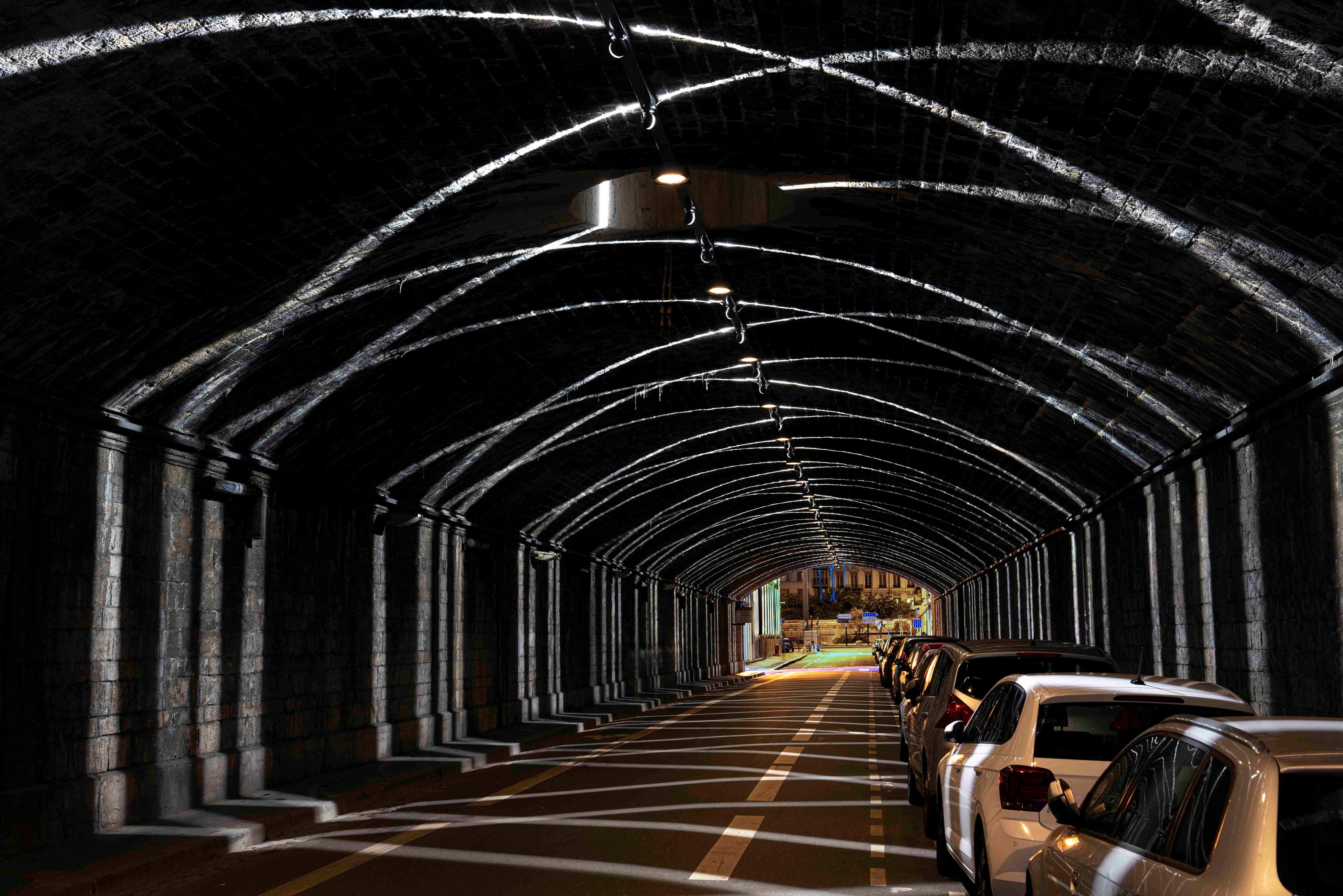
Our relationship with light has been at the heart of the human experience since the dawn of civilization, shaping how we live, gather, and create meaning. From the earliest use of fire as a source of warmth, safety, and ritual, to the electric sparks of the modern metropolis and industrial powerhouse, and now on to our contemporary pursuit of sustainable and efficient illumination, each era’s innovations on light have extended the rhythms of life beyond sunset — enabling mobility, production and consumption after dark.
In the past few decades, lighting has outgrown its utilitarian roots: pioneering design interventions and civic policies have transformed it into an indispensable medium that allows us to reimagine urban spaces after dark, infusing spaces with emotion, celebration, and social engagement. Once primarily only associated with enabling visibility and safety, light is now also used as an expression of identity.
Today, amidst the climate and energy crises, an increasing awareness of the negative impact of artificial light on ecosystems has shifted the paradigm. As we continue to explore life after dark to find fresh moments and new experiences, lighting is no longer just about brightness — it’s about presence, intention, and inclusion. As cities and cultural districts navigate the interplay between art, technology and ecology, they are making important decisions impacting the future of shared spaces. Light needs to become subtle again, wielded with care as a precious public good.
This essay illustrates the delicate journey we need to make between nature and culture, harnessing the power of light to purposefully improve the quality of life of citizens and visitors alike.
Cultures of light, nightscapes and ambiances
Light has the magical power to reveal or conceal through contrast, to highlight and create atmospheres. This is as true in your living room as it is in a cultural venue, at district or city levels. We all have in mind countless nighttime images of historical, architectural or urban icons around the world, illuminated to show off their distinctive features. Lighting helps shape the identity that we project and it’s an extraordinarily effective tool to enhance the desirability of organisations, districts and cities.
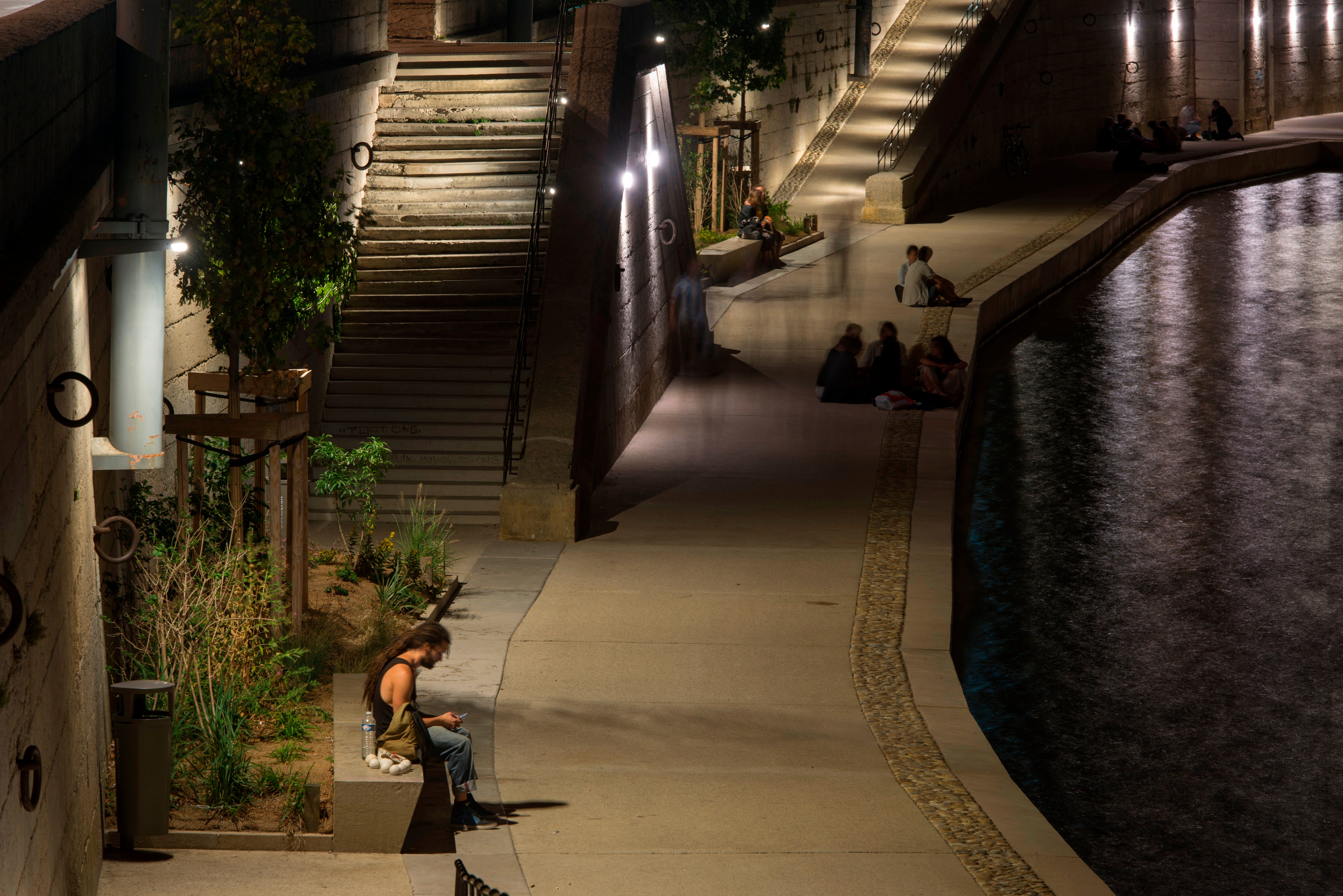
At the macro level, lighting interventions contribute to our visual experience of the city after dark. “Nightscapes” are often the result of local culture and their relationship to light, and specific civic choices that take into account administrative restrictions such as budgets and legal requirements. They grow and mature over time depending on the city administration’s lighting strategies. Different cities are at differing stages of this evolution. Some nightscapes are relatively nascent, still searching for their signature, while others, consolidated over multiple generations, have acquired distinct style and character.
At the micro level, lighting strongly impacts how we move through space and what we feel as we do so. Concentrating lighting investments in a specific neighbourhood or district, in a fully public approach or with public-private partnerships, opens a wide range of opportunities to make spaces into places that resonate and shine not only locally but internationally. This is true for central and peripheral areas, regardless of the socioeconomics of a neighbourhood.
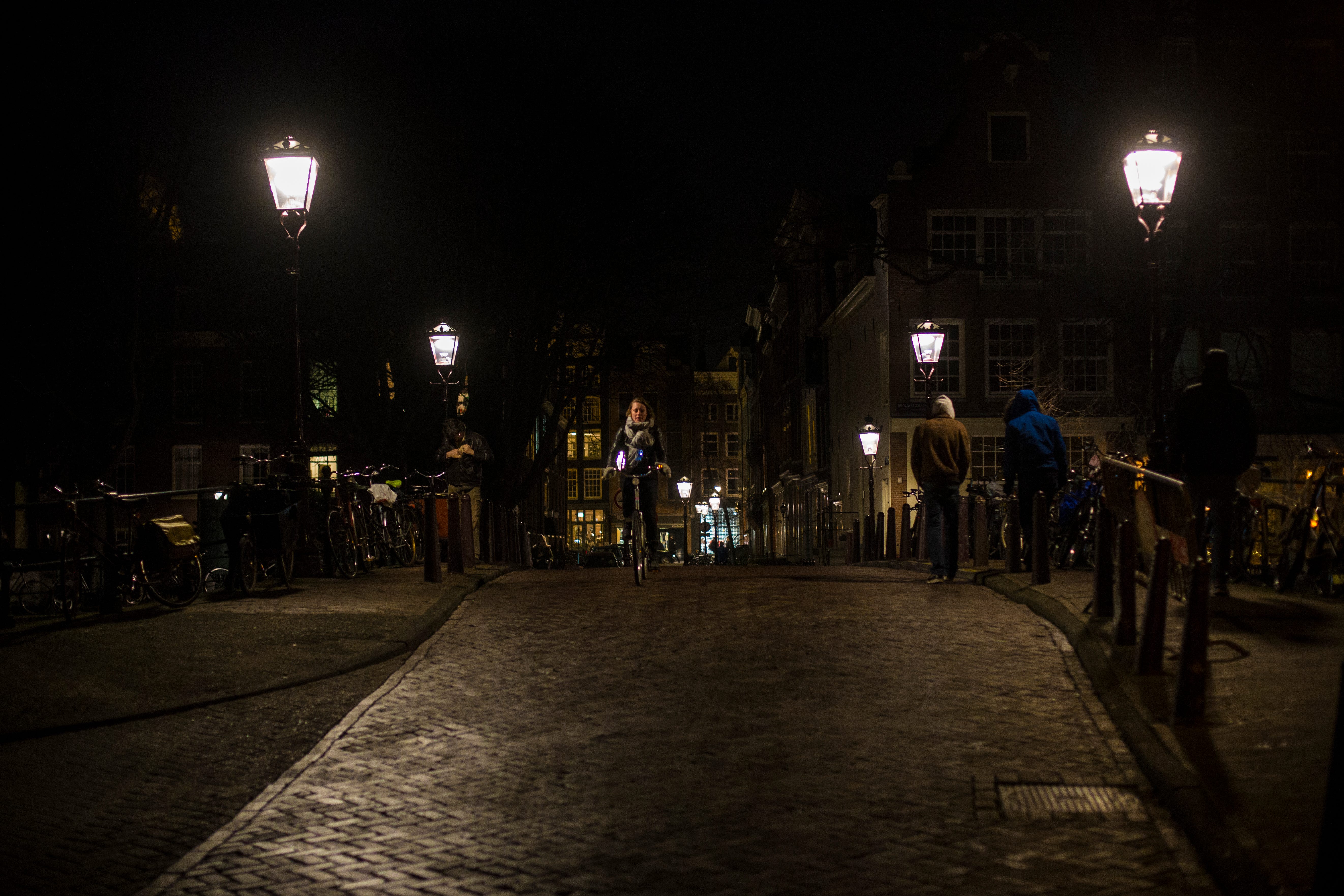
Further Reading: Exploring city nightscapes (LUCI 2020), a conversation with 12 urban leaders, nightscape makers and urban lighting lovers in Amsterdam, London, Shanghai, Geneva, Seoul, Lyon
Creative lighting strategies
Lighting has become a strategic tool for diverse organisations worldwide who leverage this resource for economic development or social regeneration, wayfinding and supporting mobility, or to enhance public spaces, heritage sites or green spaces. This requires planning and the implementation of a comprehensive lighting strategy such as the "lighting master plans" that some cities began implementing in the 1990s.
The development of new policies and the arrival of new technologies that allow the use of light to be much more flexible and adaptable has also provided ample opportunity to experiment with creative, artistic or poetic lighting; to add colour, texture and life; and to develop a playfulness in light.
Lyon was the first city in France to adopt a Lighting Plan in 1989, launching a legacy of artistic nocturnal illumination. The city now manages creative lighting for around 370 sites. The third generation of the plan, published in 2023, defines the overarching goal of “taking care of the night”, with three main pillars: quality, sobriety and citizenship.
This positions Lyon as a global benchmark in LUCI’s “lighting masterplans” working group as the city has clearly demonstrated how light can be used responsibly and creatively to serve both people and planet.
In Montreal, the downtown district of Quartier des Spectacles (QdS), has adopted a lighting strategy that carefully orchestrates cultural expression and sustainable technology. The historic, red-LED dots (first installed in 2006) on sidewalks guide visitors through the neighbourhood and signal cultural venues. They have become a signature of the district which also boasts one of the world’s largest networks of projection façades. Video mapping on anchor venues not only illuminates architecture but narrates local stories and heritage through light art. Events like Lumino infuse the district with temporary lighting sculptures and immersive projections.
A CA $2.5 million federal investment in 2021 modernized lighting, projection, and control systems. In 2024, QdS joined the LUCI network, aligning QdS with other leading "cities of light". [1]
It’s not all bright: the dark side of artificial lighting.
For humans, artificial light enables a social life after dark, providing immediate security and the feeling of safety. But when we only focus on safety and apply one-size-fits-all interventions, lighting can produce unwanted effects. In addition to causing potential visual impairment and eye damage, excessive (often harsh and glary) lighting makes urban spaces less inviting, less accessible and less pleasant. Intrusive light (light trespassing inside buildings) can also disrupt sleep. Exposure to blue light at night also has a negative effect on human circadian rhythms by surpressing the production of melatonin.[2]
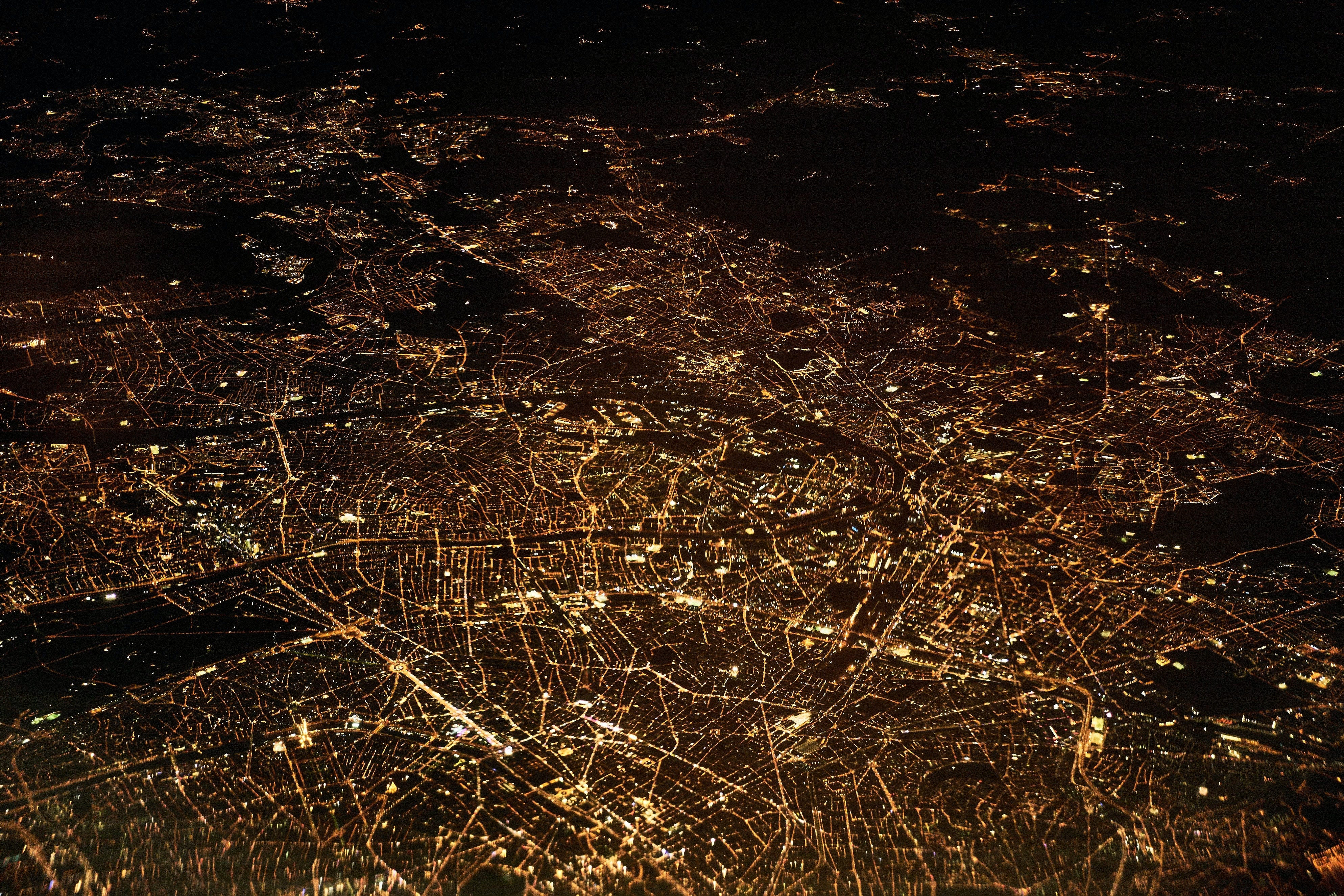
Sky glow describes the loss of the starry sky due to light pollution. With 80 percent of the world’s population living under sky glow, it has had a deep impact on mental well-being and has disrupted cultural traditions rooted in star observation. The night sky has inspired science, religion, philosophy, art, and literature. It has always provided perspective and inspiration, leading us to reflect on our humanity and our place in the universe. Yet it’s rapidly becoming unknown to the younger generations.
There is increasing public concern over the impact artificial light has on our ecosystem. For nocturnal animal species, exposure to artificial light has adverse effects on their natural behaviours (foraging, reproduction, orientation, etc). Declining invertebrate populations negatively impact all species that rely on insects for food or pollination. Some predators exploit this attraction to light to their advantage, affecting food chains in unanticipated ways[3].
One of the ways forward is to consider artificial lighting in a comprehensive public-private approach. All those responsible for the public realm, including private actors and cultural districts, need to strike a better balance between the diverse needs of nocturnal biodiversity and of human health and wellbeing.
Stay Tuned: Art of Darkness is a European research project (2025-2027), exploring the cultural, aesthetic, and sustainability values of darkness, echoing the New European Bauhaus’s call for a more inclusive, beautiful, and sustainable future. The project raises awareness of the importance of well-designed darkness and highlights its potential as a resource for human and ecological wellbeing, cultural innovation, and strategic investment in cultural heritage and the cultural and creative industries.
Now Available: Urban Lighting for Health & Wellbeing: New Guidelines (LUCI 2025) This publication is the result of collaborative research involving pilot cities in Amsterdam, Tartu and Bologna. It includes actionable recommendations that aim to ensure lighting is no longer treated as an isolated technical issue but recognised as a key element in designing cities that prioritise human health and wellbeing.
Creative lighting: between temporary and permanent, everyday and festive
In these dark times we are living in we need something more. Cities and cultural districts cannot be neutral, lifeless spaces—they need energy, rhythm, and meaning. Creative lighting is a powerful way to achieve this, offering public realm curators new possibilities that oscillate between temporary and permanent.
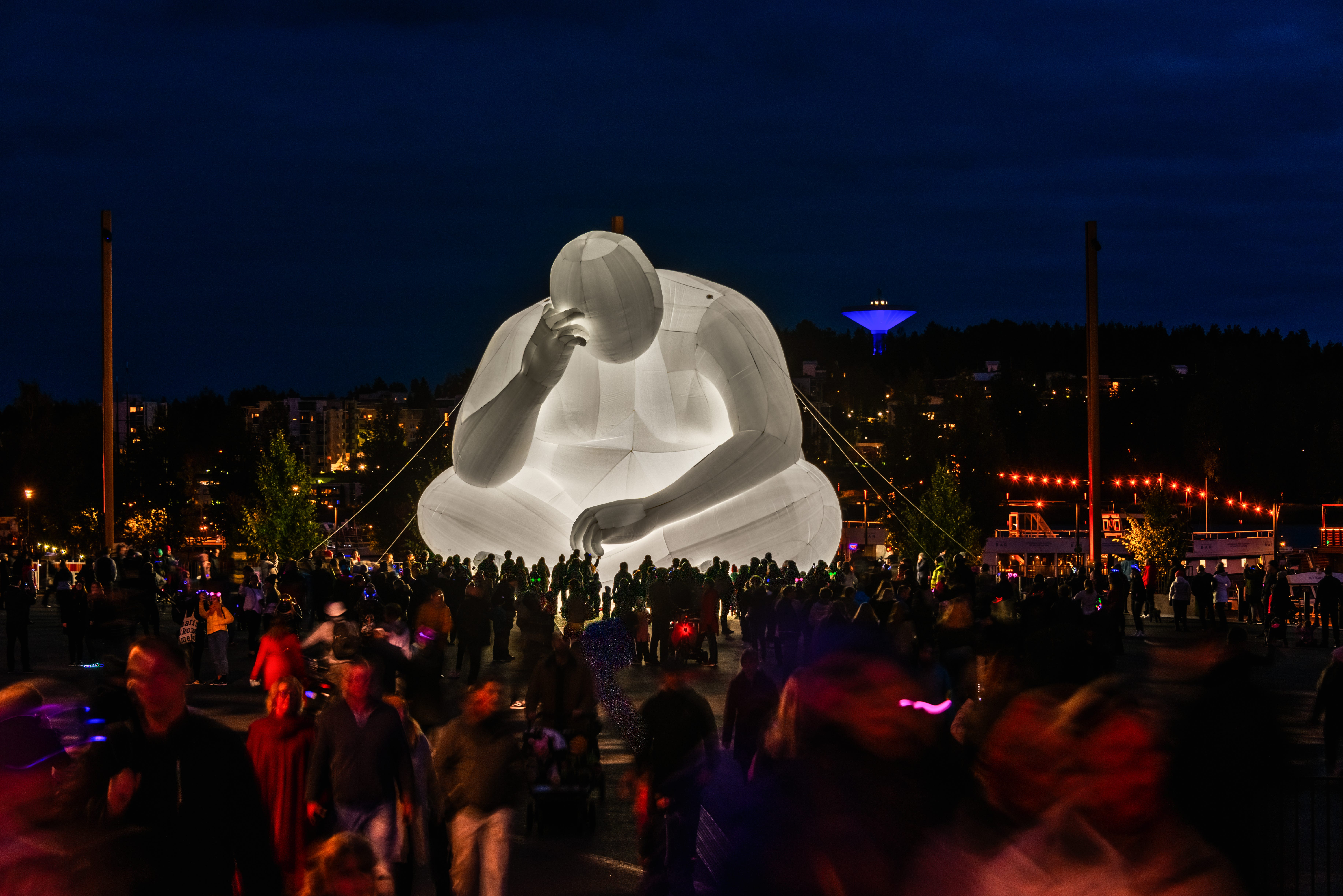
Light festivals invite citizens and visitors to pause, set aside daily concerns, and experience place in a magical, immersive way. Some unfold like open-air contemporary art exhibitions lasting weeks or months, while others exist for just a few days, transforming entire cities with an intense display of light-based art.
In recent years, light events and festivals have flourished worldwide—from lantern festivals to large-scale video mapping projections and light art installations. They can revive collective memories and celebrate local traditions, all in harmony with each place’s cultural identity. They can also inspire new artistic or philosophic dimensions and explore uncharted territories, offering alternative narratives of space and place. [4]
The Luci d’Artista (“Artists’ Lights”) festival in Turin is a celebrated annual event that highlights the creative use of light as a public art form. Since its inception in 1998, this open-air exhibition has transformed the city into a nocturnal canvas, featuring large-scale installations by internationally renowned contemporary artists over three winter months. It reimagines structures, plazas, and streetscapes with imaginative light artworks such as Mario Merz’s Fibonacci spiral on the Mole Antonelliana or Rebecca Horn’s floating Little Blue Spirits, infusing the urban environment with poetic and conceptual depth.
Every November since 2006, the GLOW Eindhoven Festival transforms the city into a luminous outdoor gallery, showcasing around 30 art installations along a five-kilometre walking route through Eindhoven’s centre. These works are crafted by both renowned international artists and local creators, using projection mapping, dynamic lighting, sensors, and interactive elements. The festival is a testbed for creativity, inviting visitors to experience light as a medium to tell stories, reshape familiar places, and evoke emotional responses.
Often stemming from the artistic and creative expressions made possible during light festivals, light art pieces have increasingly become permanent fixtures in public spaces. This permanent approach to creative lighting, often with special “routes” or “tours” offers compounded return on investment with possibilities to attract and increase footfall all year round by encouraging residents to discover (or re-discover) their city and incentivizing visitors to experience places that are often unknown and unexpected.
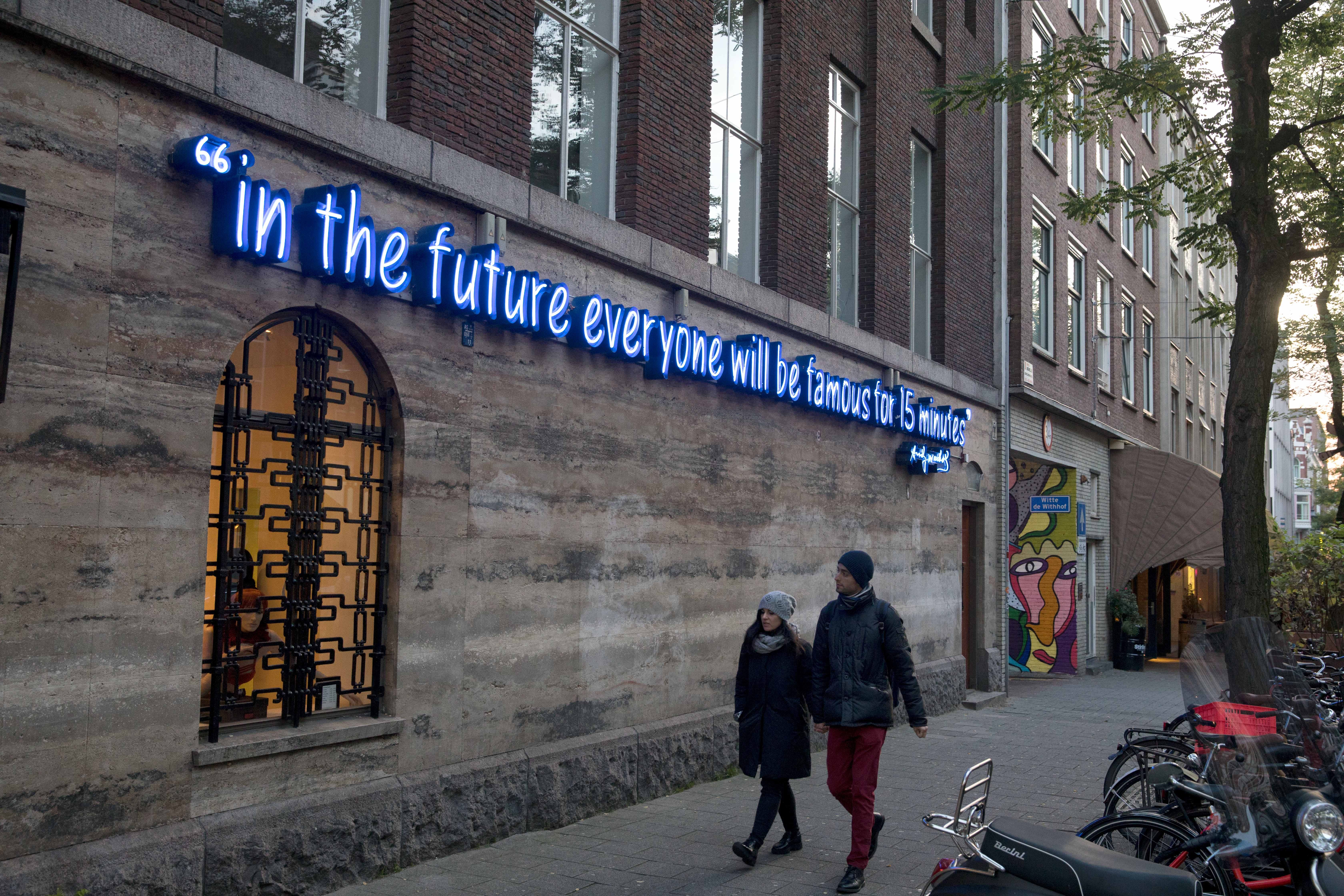
Another manifestation of permanent artistic lighting is increasingly found on bridges or inside tunnels, in squares or parks, on fountains or statues. Beyond beautifying the city, such works help stitch together the urban patchwork and guide orientation. These installations are often a perfect way to foster community involvement and enhance safety in areas that might otherwise feel neglected.
In Helsinki, Kruunuvuorenranta, the former oil district, is being developed intentionally as a permanent "light art district. " The first major installation there, unveiled in June 2025, is world renowned artist Olafur Eliasson’s Long daylight pavilion, a permanent site-specific light artwork marking the sun’s path on the summer solstice. Created in collaboration with the HAM Helsinki Art Museum as a “percent for art” project, its creation marks a milestone in the public art development of the area.
Check it out: The Light & Art Map web app has been designed during the “Light art in public spaces” project to help people find over 130 light artworks in 15 cities and learn about the artistic intent behind them. For professionals, the Light & Art Map gives technical details and allows to understand how light art is incorporated into their broader urban lighting strategies and cultural planning.
Further reading: Light Art in Public Spaces (LUCI 2016) with case studies from Amsterdam, Gothenburg, Helsinki, Lyon, Rotterdam and Turin.
Placemaking after dark: lighting for communities
Last but not least, people must be at the heart of every lighting strategy or project. Light has the power to bring everyone in a shared sense of wonder. Designed with inclusivity in mind, it can play a vital role in nighttime placemaking: transforming the night into an active, welcoming period of urban life with its own rhythms and potential, supporting economic vitality, social interaction, and well-being.
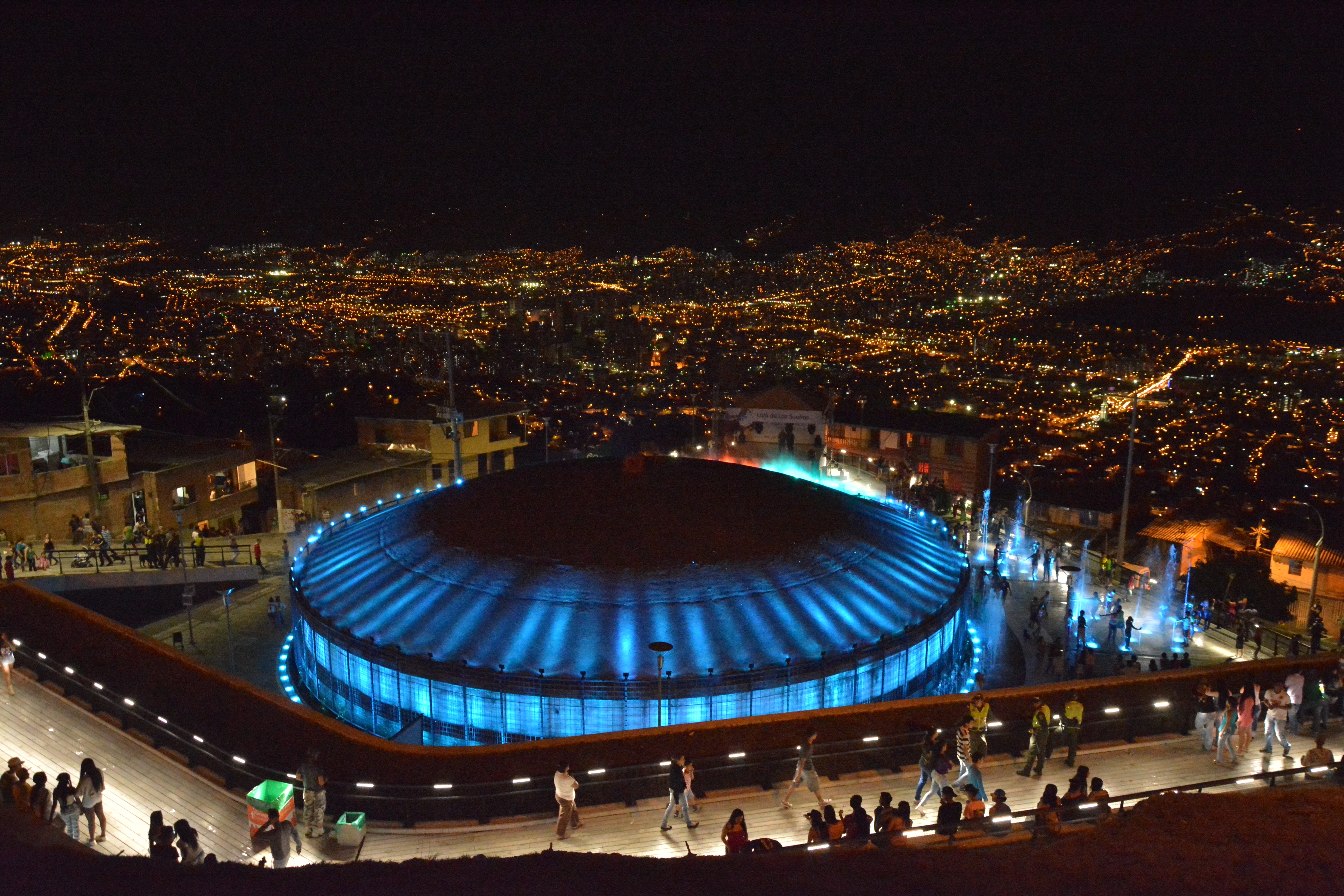
A community-focused lighting strategy made for and with the people can help to reduce fear, encourage movement, and support cultural events, markets, and social life. It also fosters inclusivity and equity, ensuring spaces are accessible and welcoming for all, including and especially for women and girls.
The success of such strategies relies on genuine stakeholder engagement. Participation is key to involving the whole community, in various districts of the city. While city centres—rich in heritage and cultural activity—often host the most visible projects, peripheral districts can also be targeted. These areas hold valuable, sometimes intangible, cultural assets that can be revealed and enhanced through thoughtful lighting design.
Lighting for Genoa has revitalized 10 neglected spaces in the historic city centre through creative, participatory use of light—making them safer, more welcoming gathering places. With a focus on women, children, the elderly, minorities, and vulnerable groups, the project created permanent installations designed in collaboration with local associations and residents.
By transforming squares and streets into attractive nighttime spaces, Lighting for Genoa won first place at the LUCI Cities & Lighting Awards 2024.
Conclusion
The city of the future will be nocturnal with a vibrant cultural life. Lighting needs to be creative, designed with intention and executed with attention. An authentically community-based light project or festival will be inherently unique and dynamic, impossible to be duplicated or relocated elsewhere, thus cementing a city or cultural district’s distinctive identity and character. Cultural districts especially, with their sprawling campuses, diverse activities, and inclusive engagement strategies, can harness the potential of sustainable, site-specific creative lighting to further enhance the positive impacts they have on the communities they serve.
Nighttime appeal and wellbeing doesn’t rely on ever-brighter lights. Instead, it depends on a city’s or a district’s ability to offer a shared emotional experience and a high-quality nighttime landscape that adapts to new rhythms and considers the environment and all living species.
Let’s continue exploring the new hybrids between light and shadows, between temporary and permanent, between natural and artificial. The future can be bright—with the motto of “quality over quantity” there is an unprecedented opportunity to improve the lights of our cities and districts, and to do it together!
ABOUT THE AUTHOR
Mark Burton-Page is the General Director of LUCI, the international network of cities on urban lighting. Established as a non-for-profit organisation in 2002, LUCI brings together 70 cities and 40 associate members engaged in using sustainable urban lighting to support quality of life. Since 2015, Mark leads the network responding to the vision of “connecting cities with light”. His work is focused on creating international cooperation between cities that really brings added value to the local level. He leads the network’s activities on events, projects and publications based on exchange of good practice, networking and allowing members to expand knowledge and sharpen their culture of urban lighting.
ABOUT GCDN BRIEFS
GCDN Briefs is a series of articles highlighting insights from members of the Global Cultural Districts Network (GCDN) and associated experts on themes and issues that are relevant to the day-to-day lives of cultural districts. Intended to present the state of play and propose actionable recommendations, these articles complement the annual GCDN research projects and enhance the dissemination of ideas and best practices within the network and beyond. GCDN Briefs is made possible thanks to the support of our sponsor member Casa Anfa.
ABOUT CASA ANFA
The Anfa Urbanization and Development Agency (AUDA), a subsidiary of the CDG Group and the master developer of the Casa Anfa urban hub, is leading the transformation of the former airport into a new sustainable, economic, and cultural urban center for Casablanca.
Driven by its vision, Casa Anfa is reinventing this historic site as an urban hub where heritage and innovation coexist. This new centrality blends sustainable development, economic activity, quality of life, and a dynamic cultural offer, shaping a renewed vision of the city.
One-third of the area (100 hectares) is dedicated to green spaces, including Anfa Park, a 50-hectare metropolitan park. More than just a green space, it serves as a space for cultural and public programming and sets the stage for the district’s future cultural quarter. This upcoming cultural district will cover 20-hectares and incorporate historic civil and military buildings that will house artistic and cultural spaces.
Throughout the year, Casa Anfa hosts festivals, art exhibitions, performances, author talks and readings, sports activities, and other open-air events in Anfa Park, welcoming all generations and contributing to Casablanca’s cultural vitality. By bringing together living spaces, economic development, sustainable mobility, and consistent cultural programming, Casa Anfa positions culture as a central pillar of inclusion, innovation, and global reach.
[1] https://www.canada.ca/en/economic-development-quebec-regions/news/2021/03/new-lighting-plan-for-quartier-des-spectacles-partnership-thanks-to-government-of-canada.html?
[2] https://www.theguardian.com/environment/2022/sep/14/increase-in-led-lighting-risks-harming-human-and-animal-health?
[3] https://darksky.org/resources/what-is-light-pollution/
[4] Zielinska-Dabkowska, Karolina. (2016). Night in a big city. Light festivals as a creative medium used at night and their impact on the authority, significance and prestige of a city.