

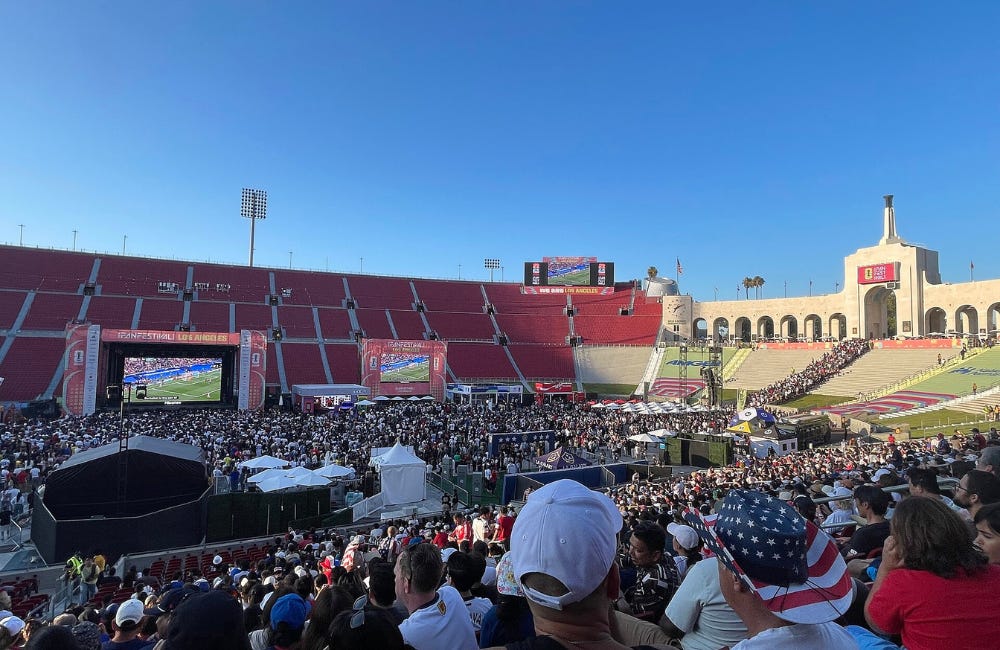
A bit over a year ago, colleagues asked me to weigh in on a request from the leadership of a respected performing arts institution. Their city wanted them to activate their public spaces as an unofficial fanzone for the 2026 FIFA Men’s World Cup. Their instinct was to refuse, and they wanted help making the case that sport is not culture, and that football therefore had no place in their programming.
I wasn’t very helpful on this one, as I vehemently argued the opposite case. As a young(ish), Latino-European cishet man, I’m conscious that I’m basically the World Cup’s core demographic. But it was the part of my brain shaped by GCDN that was most peeved by the request. I’ve spent the last eight years exploring the role of cultural anchors in stewarding public spaces, and their responsibility to the communities they serve. One of the main topics of discussion at our last convening was precisely how legacy organisations stay relevant amidst changing audience behaviour. And through the years and conversations, I’ve held on to a simple but mighty mantra often repeated by Criena Gehrke, Executive Director of Queensland Theatre and early co-host of The Three Bells podcast: “ignore your community at your own peril”. In a city where a majority of residents trace their roots to footballing nations, the World Cup was coming whether the institution took part or not. So why not take the opportunity to embrace the role of a relevant anchor?
I understood where the instinct to refuse came from. That organisation had invested a lot of time, money, and energy into building its public space and, perhaps more challengingly, into creating a habit among an audience different from its usual patrons of consuming its curated content outdoors. They were proud of having done all that without compromising their vision of artistic excellence or straying from their mission. So they feared a slippery slope. Agree to the FIFA World Cup, and on what grounds do you refuse the Super Bowl, the play-offs, college (American) football? Whilst understandable, that fear rested on a misreading of the type of product the World Cup actually is.
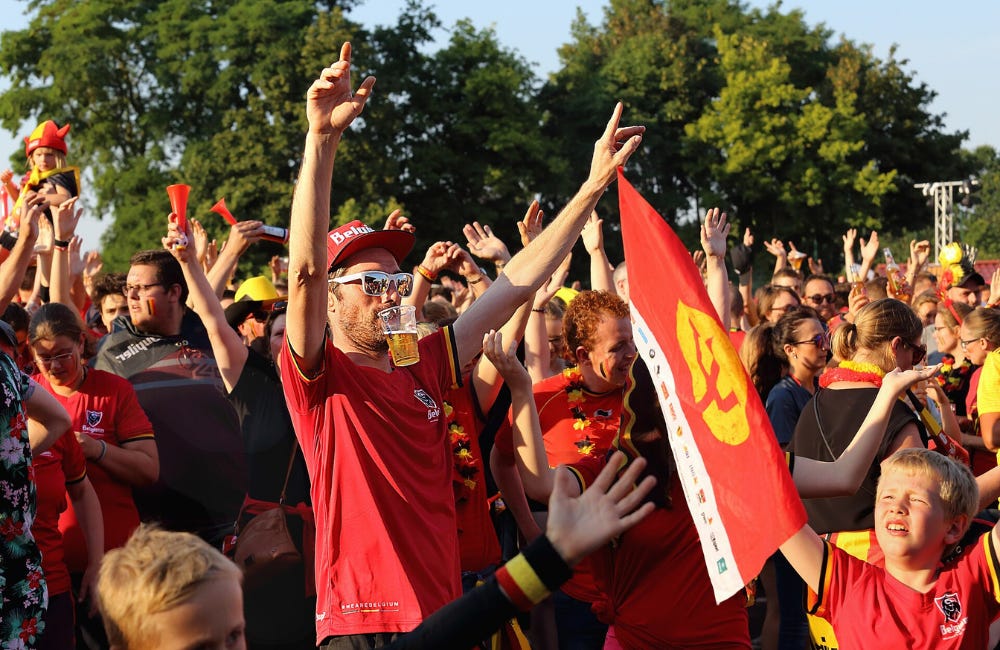
The FIFA Men’s World Cup has nothing to do with the weekly grind of league football. It comes once every four years, moves continents each time, and for over a month brings together a big chunk of humanity around a single story. It has the power to spark worldwide “collective effervescence”, what Émile Durkheim called the current that runs through a crowd focused on the same emotion and event at the same moment, and which briefly welds individuals into a community, allowing them to live more, and differently, than in normal times. The only comparable event in reach and magnitude is the Summer Olympic Games.
So in the broadest sense of the word, the FIFA Men’s World Cup is perhaps the most important programmed cultural event of our modern times.
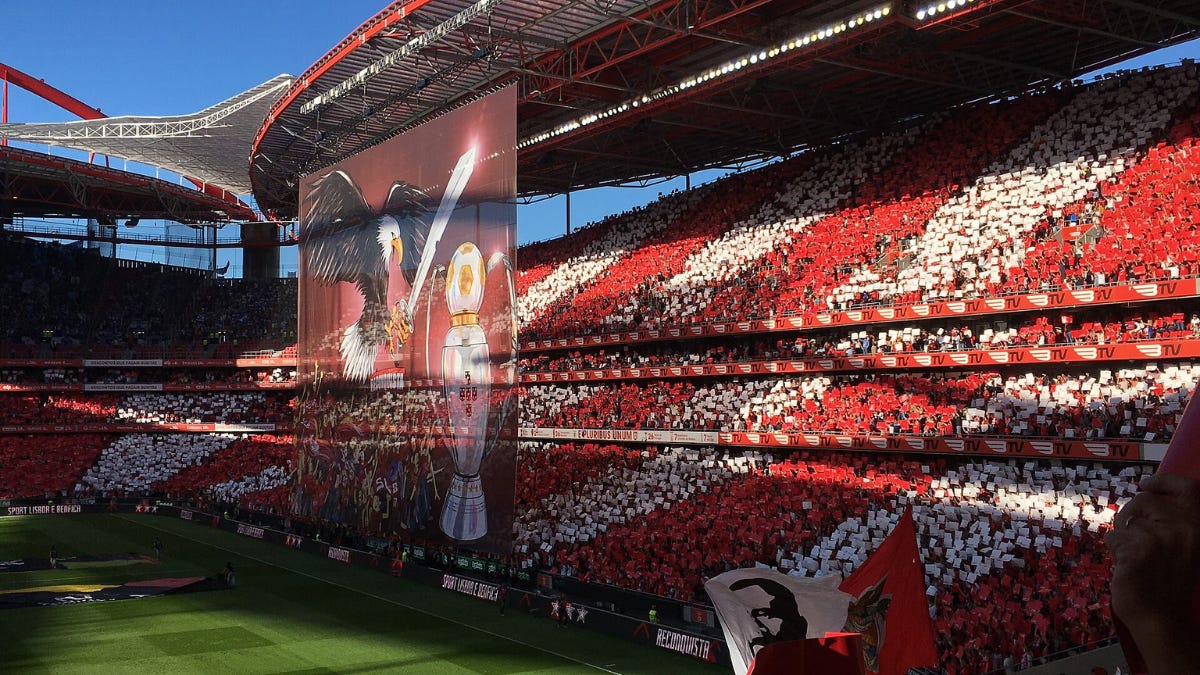
And the football crowd doesn’t just consume culture, it also produces it. Football fans throughout the world and over the years have come up with thousands of original chants. Ultras (fanatical supporter groups) self-fund and spend weeks hand crafting tifos – monumental collective artworks unveiled for only minutes and sometimes even burned afterwards. For many heterosexual men, the stadium is one of the few places where they feel free to sing in public, to weep, to embrace strangers – to express emotion at all. And the World Cup is the biggest stage this culture ever gets. For a month, these fans stand for a whole country’s cultural identity. Argentina arrived at the last World Cup singing Muchachos, a song written by a fan and so beloved that the players adopted it in the dressing room. Algeria’s “One, two, three, viva l’Algérie” descends from a cry for freedom under colonial rule. Norway’s supporters row an invisible longship in unison. A Congolese fan has become famous this summer for standing motionless through entire matches in tribute to Patrice Lumumba. These stories travel the world and, edition after edition, become part of a shared heritage. So to dismiss all this as “just” sports or entertainment would be to dismiss one of the largest living folk cultures on earth.
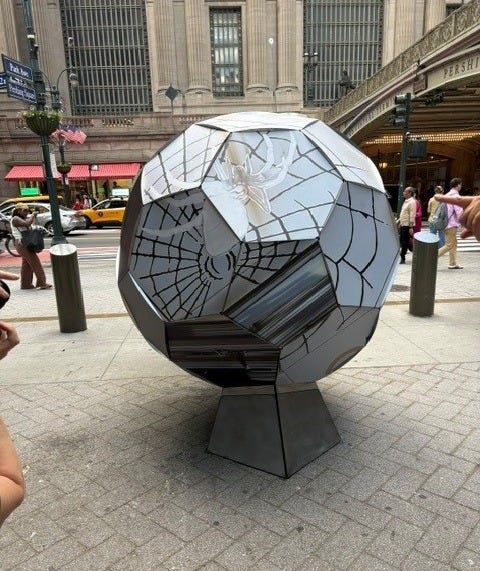
Beyond the fans, the organisers generate their own share of cultural material. From official anthems to opening ceremonies, the link between the arts and sports mega-events has been recognised for decades, and host cities and many of their anchor institutions use the moment to showcase local creativity. Among other things, this edition has produced an official anthem blending Andrea Bocelli with Megan Thee Stallion, a comeback song from Shakira four editions after Waka Waka, and sixteen posters each commissioned from an artist in a different host city. New York scattered twenty-five soccer-ball sculptures across the city and the Whitney paired match screenings with its Biennial. Mexico City assembled a corridor of nineteen football exhibitions across seventeen museums. Philadelphia built a five-week arts festival around the summer.
Mega-events are often sold on their potential economic impact, which is actually the hardest argument to defend considering the amount of evidence against it reported from past editions. But their social impact is easier to prove, starting with the link between shared cultural experience and health and mental wellbeing. Daisy Fancourt – professor of psychobiology and epidemiology at UCL, director of the WHO Collaborating Centre for Arts and Health, and since March of this year the UNESCO Chair in Arts and Global Health – calls the arts the “forgotten fifth pillar” of health, along with diet, sleep, exercise and nature.
We’ve fully embraced this vision at GCDN, starting with our 2024 report Culture for Health, produced with Daisy’s research group at UCL. Our members are currently contributing to GRACE-Epi, a seven-year programme investigating how arts and cultural engagement influence health and ageing across the Global North and South. The backdrop to this research is a growing crisis of loneliness worldwide. So if shared experience is medicine, a mega-event like the Olympics or the World Cup is the largest dose a society could ever get. I experienced this myself, living in France through the summer of 2024, when a country exhausted by its own politics allowed itself, for a few weeks, to feel national pride again. Reality caught up soon enough, but the good that reprieve did to the country was palpable.
There are, of course, myriad valid criticisms to raise against mega-events, and against this World Cup in particular. It only takes the list of recent hosts to see a pattern: Russia 2018, Qatar 2022, the United States (with Canada and Mexico) 2026. The World Cup is an undeniably effective sportswashing tool. This edition was meant to be the first with a human rights framework, but instead it has been mired in ethical scandals.
Travel bans kept a highly respected Somali referee out of the competition and stopped fans from certain countries watching their own team on American soil. Iran was barred from staying overnight in the US and had to base itself in Mexico, crossing the border to play its matches and returning the same day. Families in host cities have weighed whether a public watch party is worth the risk of an ICE raid. FIFA invented a phony Peace Prize and handed it to Trump. Group-stage tickets started around US$700, with dynamic pricing pushing seats at the final past ten thousand dollars. It is also shaping up to be a disaster for the climate. FIFA pledged at COP26 to halve its emissions by 2030 and reach net zero by 2040, and then went and delivered what researchers project to be the most polluting World Cup in the tournament’s 95-year history – around nine million tonnes of CO2, nearly double the recent average – all while Gianni Infantino hopped between two matches a day on a private jet, logging more than fifty thousand kilometres before the group stage was even done. And like every international competition, this one runs on nationalist sentiment – and that passion has turned ugly more than once. Racist abuse of players, from the stands, across social media, and all the way up to the highest political spheres, has stained this World Cup as it has unfortunately stained the sport for decades.
All of this is true, and you won't hear any argument from me. But the fact that the World Cup has become such a prized tool in sportswashing strategies is itself a testament to the cultural value of the event. And you don't always get what you paid for. This tournament arrived with the United States' international reputation at its lowest in a generation – though most of that resentment is aimed at one man and his administration. No amount of soft power could wash that off. But the tournament created an opportunity for people to see another side of the United States, beyond the White House.
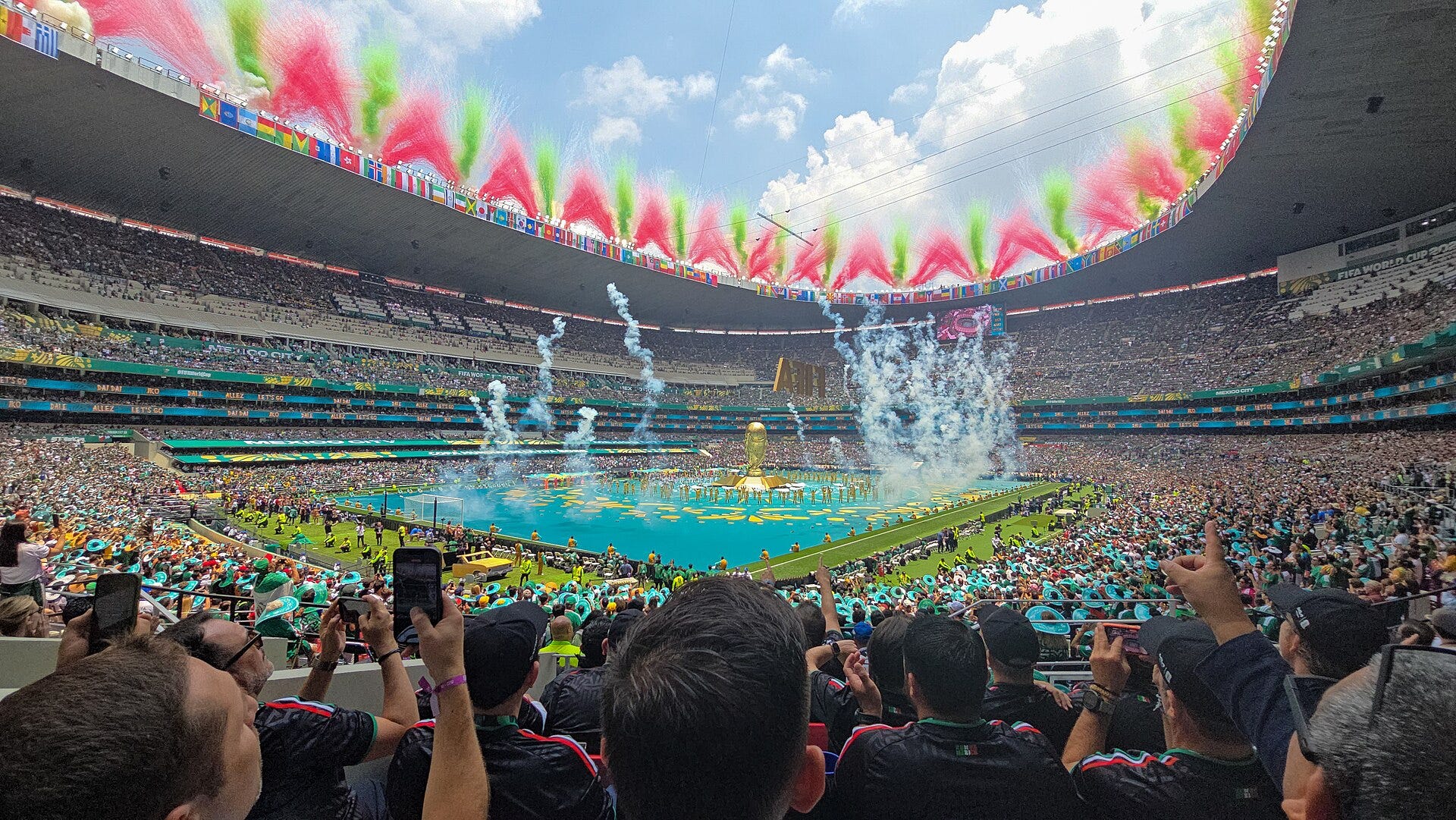
Visiting fans – those allowed in – found a warmer, more welcoming country than advertised. Americans, in turn, caught an unexpected reflection of a country they'd been told no longer existed. And because the world was watching, it briefly gave everyone a break from Trump. For three weeks, the tournament had almost nothing to do with the White House. Until the president phoned FIFA to overturn his own striker's red card – an unprecedented move at a World Cup, which, rather than hand the US victory, stung a so-far disappointing Belgium into life and ended in a 4-1 rout. The dichotomy between the scandals and what fans actually experienced was too big for the sportswashing to benefit this administration. Instead, it only served to highlight its abuses. Ultimately, mega-events can never be politics-free. The investment they demand means they will always serve an agenda, and every political current will try to claim a piece of the story. So it comes down to perspective and intention. Why do you want to use the World Cup, how are you going to tell the story, and who does it serve?
In truth the answer to all of these should be the hosting communities and football fans, in that order. And this edition has seen some of that happen too. Japanese supporters – who have tidied the stands of every World Cup since 1998, a cultural habit learned in Japanese classrooms – went viral again this summer for staying behind at Dallas Stadium to clean after themselves. By the time Japan reached Monterrey, the governor of Nuevo León had arranged for twenty thousand rubbish bags to be distributed in the stadium and the fan festival, at the fans' own request. That kind of cultural exchange is what the whole thing is about.
Stewarding the commons and creating platforms for exchange is the raison d’être of cultural districts – and the responsibility of their anchor institutions. So whilst not every football-loving crowd will hand you back your space cleaner than it was before, buying into an event that fills up your public space almost daily for a month is a no-brainer. And actually, much of our field never needed convincing.
The example I reached for in that exchange a year ago was The Bentway in Toronto – a GCDN member with as rigorous a curatorial track record as any in the network – which had just put itself forward to host a fan zone. Today it is co-delivering the official FIFA Fan Festival. Beyond streaming the matches, the festival includes a full programme of newly commissioned public art designed to treat fandom as a form of collective expression and embody Toronto’s theme for the tournament: “The World in a City.”
Providence – whose department of art, culture and tourism is also a GCDN member – isn’t even hosting matches, but made itself an official fan zone for the Boston fixtures anyway, and over five thousand members of Scotland’s Tartan Army chose it as their home base. By the end of the group stage, the visitors had donated close to US$30,000 to local causes (a longstanding tradition during away games).
Mexico City turned the Zócalo – the iconic plaza built over the ruins of Tenochtitlán – into the tournament’s largest gathering place, with every match screened for free and all sixteen boroughs running viewing spaces of their own.
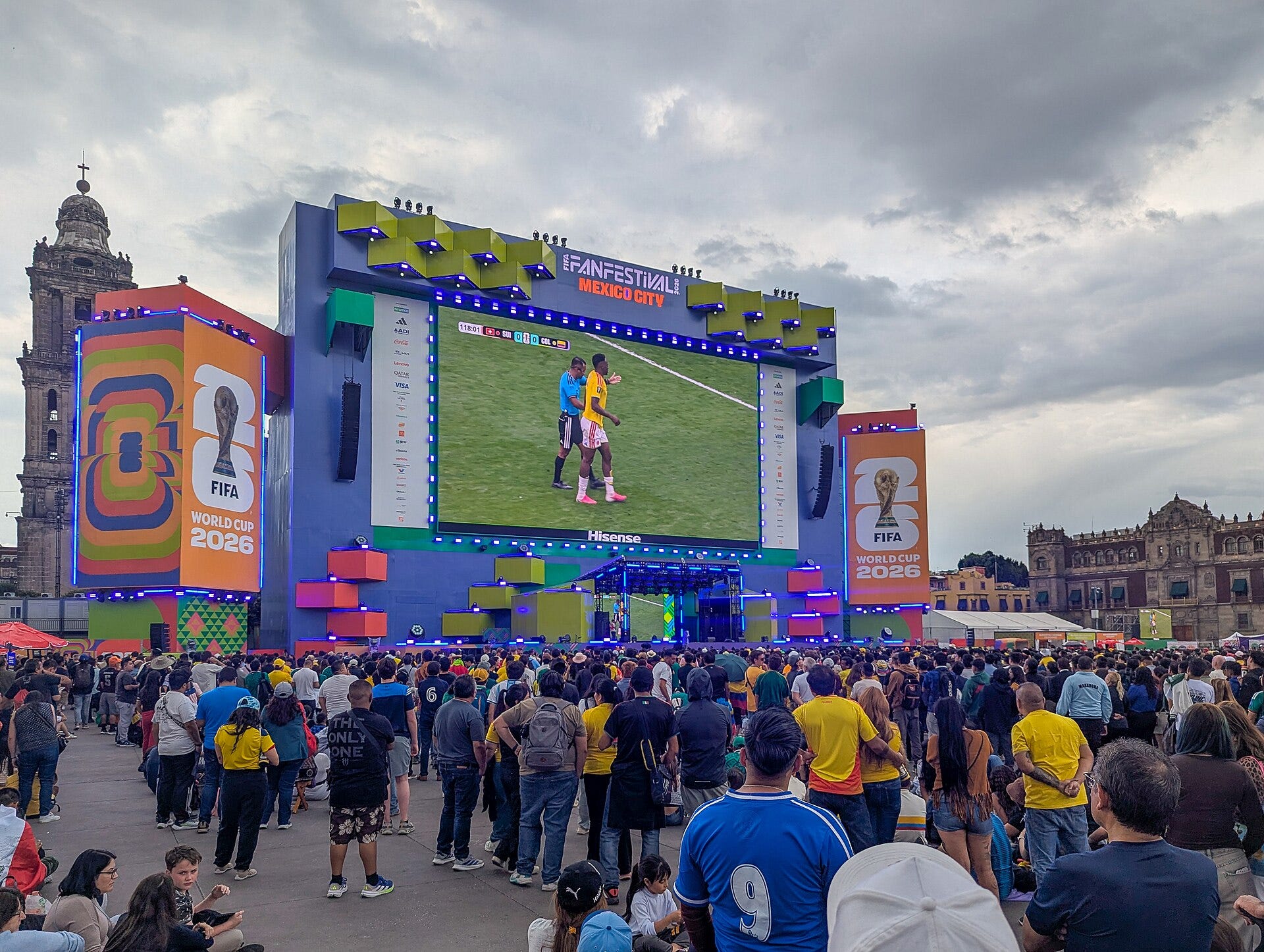
By FIFA’s own count, the fan festivals across the three host nations had welcomed more than five million visitors before the knockout rounds even began. Whilst all of them had to make massive adjustments to their operating realities to fit FIFA’s guidelines, none of those cities and anchor institutions actually had to choose between showing the football and staying true to themselves. Instead, they took the opportunity to make the event theirs. They curated for and around it, showed off the best of their city, and in doing so served their communities and fulfilled their mission rather than straying from it.
By the time this piece is published, I will have watched France play Morocco at a fan zone in the French city where I live. That fixture alone carries so many layers of cultural meaning rooted in colonial history. These layers will show in the stadium and in the stands around me. I won’t be rooting for either side, as I really like what both teams have shown in this tournament. But I will be taking part in the excitement, the joy, perhaps the sadness, and certainly the French fries. That is culture. And it’s one hell of a beautiful game.
ABOUT THE AUTHOR
Gregorio Lucena Scarpella leads the Global Cultural Districts Network (GCDN), a membership organisation of more than 70 cultural districts worldwide, with a mission to improve the quality of urban life through the arts, culture and creative industries.
He is responsible for the network’s strategy and development, the stewardship of its members, and its year-round programme of activities and research, as well as its flagship annual convening, of which he has curated and overseen multiple editions in cities around the world.
Greg is interested in cultural districts as instruments of governance, diplomacy, and connection, and in what it takes to lead them well in a complex and contested world. His work centres on convening, facilitation, and the relationships that let a peer network function across very different international contexts.
Greg holds an M.A. in Arts & Cultural Management from King’s College London and a B.A. in Communications and English Linguistics & Literature from the Université de Neuchâtel. Born in Brazil into a multicultural family and raised in Switzerland, he is fluent in English, French, Portuguese, and Italian.
ABOUT GCDN
The Global Cultural Districts Network (GCDN) is an international federation committed to improving the quality of urban life through the contribution of the arts, culture and creative industries. GCDN brings together policymakers, planners, and executives from widely diverse international contexts, all working at the intersection of culture and sustainable urban development through convenings, research and collaboration.
By fostering knowledge-sharing among those responsible for planning and managing creative and cultural districts, quarters, precincts, and clusters, GCDN stimulates the promotion of urban development with culture at its core across four fundamental areas: operational realities, the environment, society, and the economy. The GCDN is an initiative of AEA Consulting.